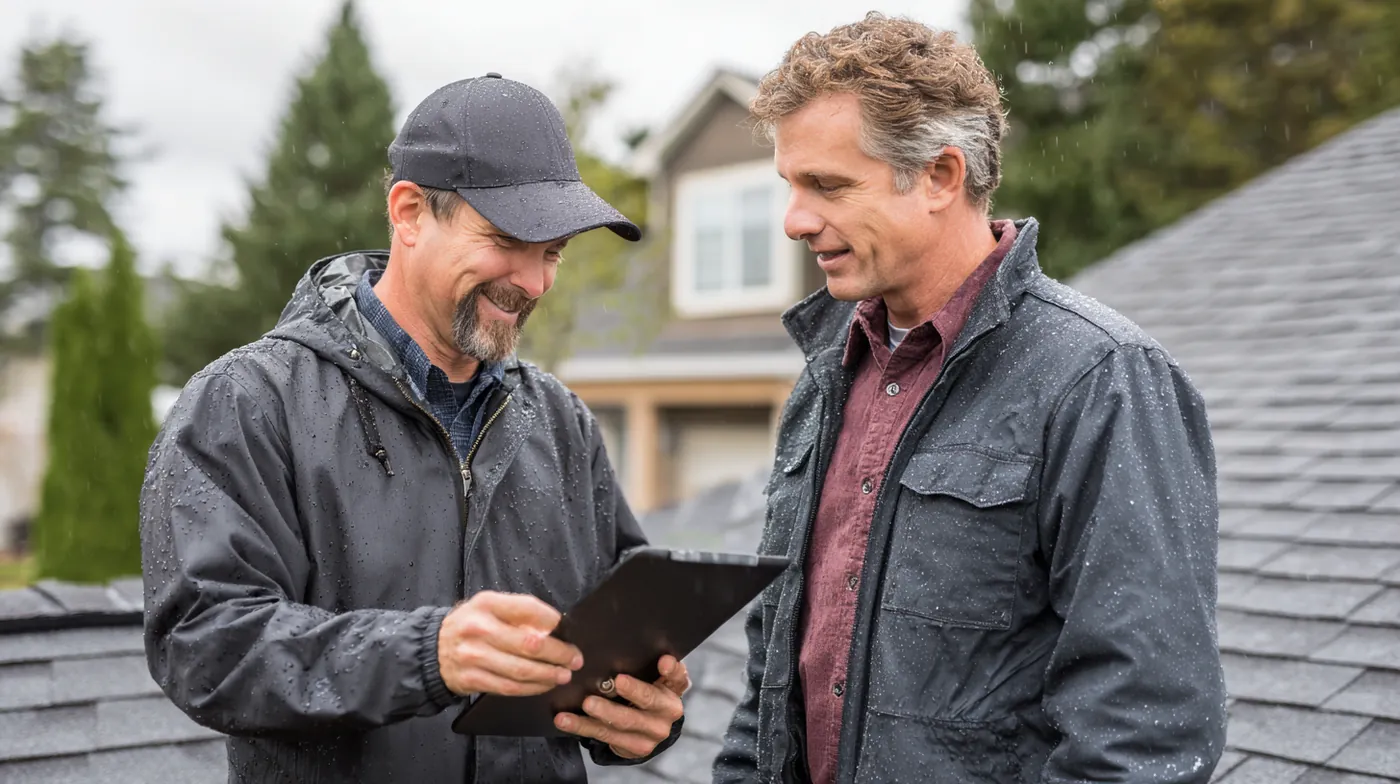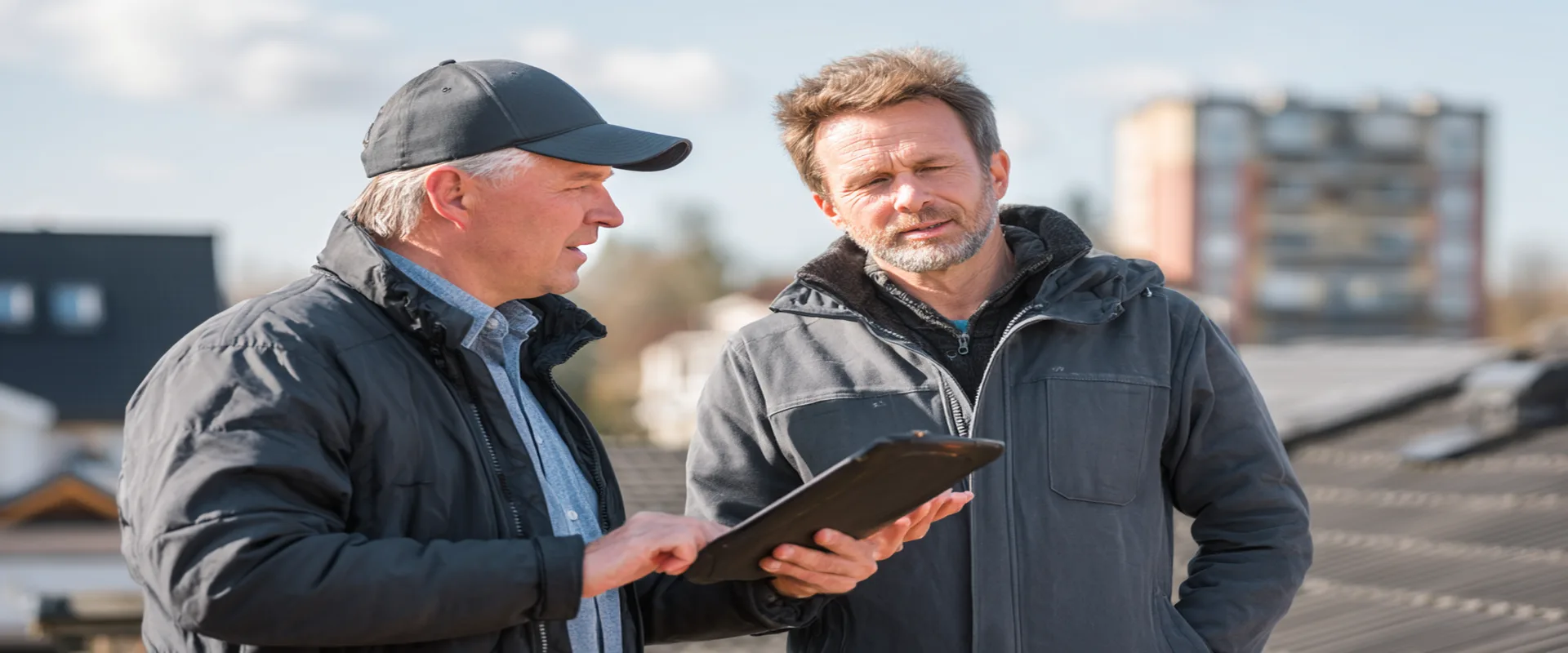
Homeowner asking roofing contractor questions before signing contract
Contractor Selection · Storm Recovery

25 Questions to Ask Your Roofing Contractor Before You Sign Anything

A good contractor answers every one of these without hesitation. A bad one will stall, deflect, or pressure you to skip them. Print this list and use it.

See all 25 questions ↓
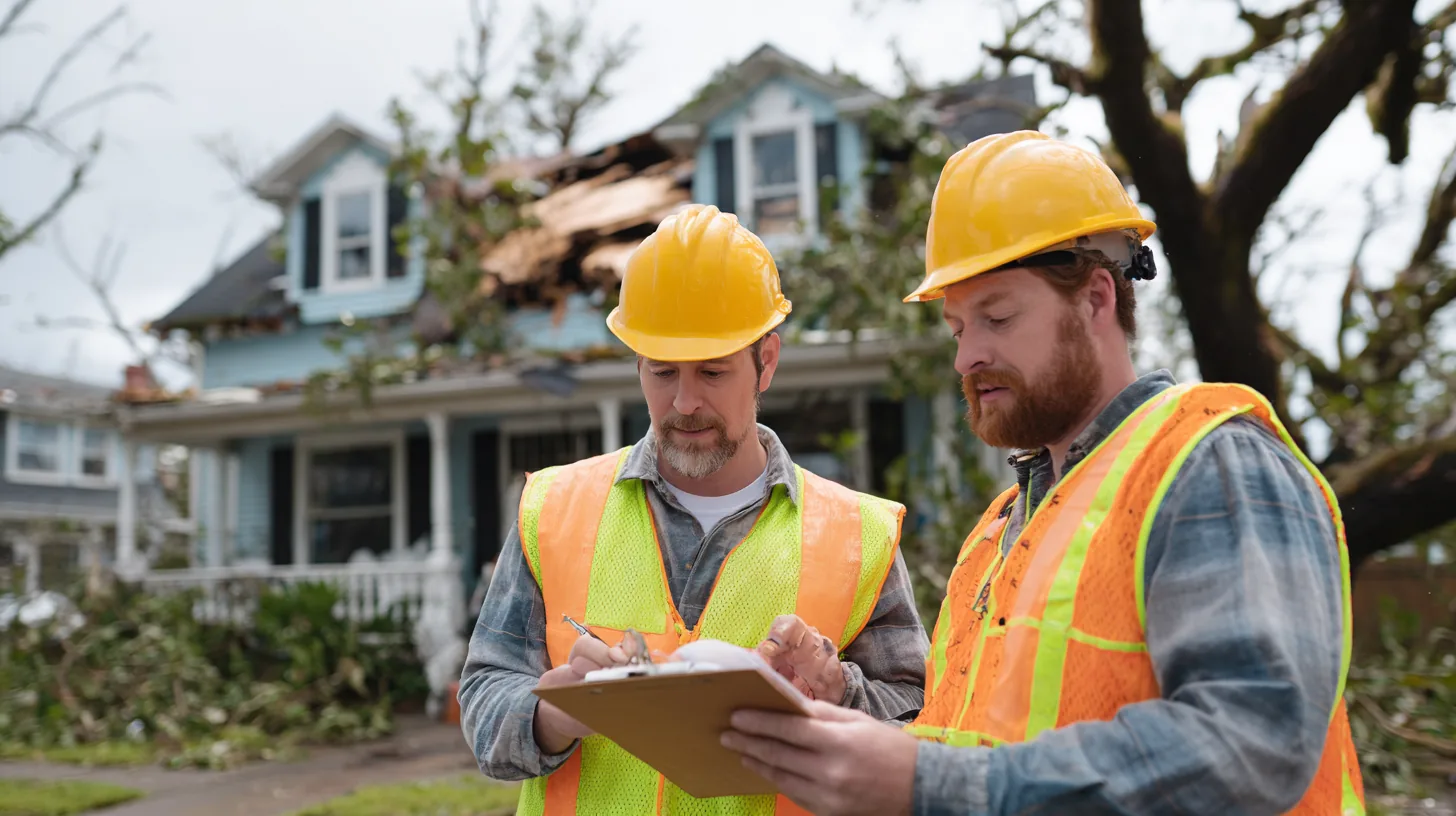
After a storm, contractors come to you — not the other way around. Storm chasers, unlicensed crews, and outright scammers flood coastal neighborhoods within hours of a major weather event. These 25 questions separate the professionals from the predators.

📋 How to use this list

Ask these questions before signing any contract. A legitimate contractor will answer all of them clearly and in writing if you ask. Any contractor who pressures you to skip questions or sign immediately is a red flag — no matter how good their pitch sounds.

📥 Download PDF Checklist Print it and bring it to every contractor meeting
🛡️

Licensing, Insurance & Reputation

Q1. Can I See Proof of Your Insurance? → Q2. How Do I Verify Your License Number? → Q3. How Long Have You Been in Business? → Q4. Can You Provide Local References I Can Call? → Q5. How Do You Handle Complaints & Warranty Claims? →
🏗️

Scope of Work & Materials

Q6. Full Tear-Off or Layer Over Existing Shingles? → Q7. What Materials & Wind Rating Do You Recommend? → Q8. Do You Hold Manufacturer Certifications? → Q9. What Happens If You Find Hidden Damage? → Q10. Will You Pull the Required Building Permits? →
👷

Crew & Project Logistics

Q11. Will You Use Your Own Crew or Subcontractors? → Q12. Who Is My On-Site Project Manager? → Q13. When Can You Start & How Long Will It Take? → Q14. How Will You Protect My Property & Landscaping? → Q15. What Is Your Daily Nail Cleanup Process? →
📋

Contracts, Warranties & Payments

Q16. Can I See a Complete Written Contract First? → Q17. What Does Your Workmanship Warranty Cover? → Q18. Will You Register My Manufacturer Warranty? → Q19. What Are Your Payment Terms & Deposit Required? → Q20. What Could Cause the Final Cost to Increase? →
🌀

Storm Damage & Insurance

Q21. Can You Provide an Xactimate-Compatible Estimate? → Q22. Will You Be Present at the Adjuster Inspection? → Q23. Do You Handle Insurance Supplement Claims? → Q24. What Is an Assignment of Benefits (AOB)? → Q25. Can You Verify Your License Right Now on My Phone? →
Reviewing roofing contractor credentials and contract
🛡️

Licensing, Insurance & Reputation

These are non-negotiable. No paperwork = walk away immediately.

Why this matters

If a worker is injured on your property and the contractor has no workers' comp, you could be liable. If they damage your property and have no general liability, you pay out of pocket. Ask for certificates naming you as additionally insured — not just their word for it.

🚩 Red flag

"We're covered, don't worry about it." Get the certificate. Call the insurer to verify it's active.

Why this matters

Every state in our coverage area has different licensing requirements. Florida requires a state-issued roofing contractor license. Texas requires registration with the TDLR. Unlicensed work can void your homeowner's insurance and leave you with no recourse if the work fails.

🚩 Red flag

Any hesitation to provide a license number. It takes 10 seconds to look up — and you should look it up yourself on your state's licensing board website.

Why this matters

Storm chasers show up after disasters, collect deposits, and disappear. A contractor with a verifiable local address, a real office, and years of operation in your area has skin in the game. Out-of-state plates after a major storm are a warning sign.

🚩 Red flag

A contractor who "just drove down from Georgia" after the hurricane. No local presence, no accountability.

Why this matters

Not a list of names — actual phone numbers you can dial. Ask for 3 references from jobs completed in the last 12 months in your area. Call them. Ask specifically about cleanup, schedule adherence, and how they handled any issues that came up.

🚩 Red flag

References who are hard to reach, scripted, or can't remember details of their job. Ask for Google or BBB reviews you can verify independently.

Why this matters

Ask this before you need to use it. Get the process in writing. Who do you call? How long does a response take? What if they go out of business — is the workmanship warranty backed by a bond or surety? A contractor who hasn't thought about this hasn't planned for problems.

🏗️

Scope of Work & Materials

What exactly are they doing — and what are they putting on your roof?

Why this matters

Layering (putting new shingles over old) is cheaper but adds weight, traps moisture, and hides existing damage. Most Florida building codes now prohibit more than one layer. A full tear-off lets you inspect and repair the decking — which is where storm damage often hides.

🚩 Red flag

Any offer to "save money" by layering. In a storm damage claim, your insurer expects a full tear-off. Anything less may complicate your claim.

Why this matters

In coastal Florida and Gulf states, shingles should carry at minimum a Class 4 impact rating and a 130+ mph wind rating. Ask for the specific product data sheet. A contractor who can't tell you the wind rating of what they're installing doesn't know their materials.

🚩 Red flag

"We use good stuff, don't worry about it." The exact product name, manufacturer, and specifications should be in the written estimate.

Why this matters

Certified installers go through manufacturer training and must meet quality standards to maintain their certification. More importantly, only certified installers can offer enhanced manufacturer warranties — some covering up to 50 years including wind damage. These warranties survive contractor business closure.

Why this matters

This is extremely common in storm damage work — especially on older roofs. You need a written change order process in place before work begins. How is hidden damage priced? Per sheet of plywood? Per linear foot? Who authorizes it? What's the markup? Get this in the contract, not discovered when you get the final bill.

🚩 Red flag

Vague language like "additional costs may apply." Pin down the exact pricing mechanism for hidden damage before the first nail is pulled.

Why this matters

In Florida and most Gulf/Atlantic states, roof replacements require a permit and inspection. Unpermitted work can void your homeowner's insurance, create problems when you sell the home, and leave you liable if the roof fails. If a contractor offers to "skip the permit to save money" — that's an immediate disqualifier.

🚩 Red flag

"Permits slow things down and cost extra." Yes, they do. That's the point — they protect you.

👷

Crew & Project Logistics

Who's actually doing the work, and what does your property look like when they're done?

Why this matters

Subcontractors aren't necessarily bad — but you need to know. Are the subs covered under the contractor's insurance? Are they trained on the same standards? The person who sold you the job should be able to tell you exactly who will be on your roof.

🚩 Red flag

The contractor can't tell you who specifically will be doing the work, or deflects with "my guys."

Why this matters

You should have a specific name and a direct phone number — not the main office. The project manager is your point of contact for every question, concern, or change order. If no one is designated to be responsible, no one will be accountable.

Why this matters

After a major storm, every contractor in your area is booked. Be skeptical of anyone who can start "tomorrow" — that may mean they're skipping other committed jobs. Get a realistic start date and estimated completion in writing. Ask what weather delays look like and how they communicate them.

Why this matters

Tear-off debris, falling materials, and equipment can cause significant damage to your property. Ask specifically about plywood or tarps over landscaping, protection for HVAC units, and how they handle the dumpster or debris pile. Get the protection plan in writing as part of the contract scope.

Why this matters

Roofing nails in driveways, lawns, and walkways are a serious safety and liability issue. A professional crew uses rolling magnets at the end of every work day. Ask specifically — "Do you use a magnetic nail sweep daily?" — and watch their reaction. Hesitation means no.

🚩 Red flag

Any crew that leaves nails on your property overnight without sweeping. One flat tire or one child's foot later, you'll understand why this matters.

📋

Contracts, Warranties & Payments

Read everything. Sign nothing same-day. Never pay in full upfront.

Why this matters

The contract should specify: exact materials with product names, scope of work, what is and isn't included, payment schedule, start and end dates, change order process, and warranty terms. A one-page "estimate" with a total number is not a contract. If they're pushing you to sign a blank or vague document — stop.

🚩 Red flag

Any pressure to "sign today for this price." Legitimate contractors don't expire estimates in 24 hours to manufacture urgency.

Why this matters

Workmanship warranties cover installation errors — not material defects. Ask: What specifically is covered? What voids the warranty? Is it transferable if you sell the home? Is it backed by a bond or surety? A verbal warranty is worth nothing. Get every term in writing.

🚩 Red flag

"We stand behind our work" with nothing in writing. A warranty you can't enforce is not a warranty.

Why this matters

Manufacturer warranties on shingles, membranes, and metal panels can range from 10 to 50 years. But they must be registered — and only certified installers can register enhanced warranties. Ask for the warranty certificate with your name on it when the job is complete.

Why this matters

Standard industry practice is 10–30% deposit at signing, with the balance due at completion — or in milestones tied to specific work stages. Never pay more than 30% upfront. Never pay the full amount before the job is complete and you've done a final walkthrough.

🚩 Red flag

Any demand for 50%+ upfront, or full payment before work begins. This is the most common contractor fraud pattern after storms.

Why this matters

Legitimate reasons for overages: hidden decking damage, discovery of code violations requiring correction, material price changes. Each should have a defined change order process requiring your written approval before work proceeds. Any contractor who says "it could be a lot more, hard to say" without a process is telling you they'll charge what they want.

🌀

Storm Damage & Insurance — The 5 Questions Most Homeowners Never Ask

These separate storm specialists from general contractors. Most homeowners don't know to ask them.

⚡ Storm-Specific Why this matters

Xactimate is the estimating software virtually all insurance companies use to price claims. A contractor whose estimate is formatted in a way adjusters recognize and can compare line-by-line dramatically improves your claim outcome. A contractor who has never heard of Xactimate has not done serious storm insurance work.

🚩 Red flag

"I'll write you a letter for the insurance company." That's not the same thing. Xactimate line items are what get supplements paid.

⚡ Storm-Specific Why this matters

A contractor who walks the roof with the adjuster and points out every damage item is worth their weight in gold. Adjusters miss things — especially on metal, tile, and flat roofs. Having your contractor present ensures nothing is overlooked and creates a record if you need to dispute the adjuster's findings.

⚡ Storm-Specific Why this matters

Supplement claims — requesting additional payment when hidden damage is discovered or the initial estimate was too low — are routine in storm work. A contractor experienced in storm damage should know how to document and submit supplements. This is often where 20–40% of your total claim lives.

🚩 Red flag

"Whatever the insurance pays is what we'll do." This means they'll cut corners if the payout is low — at your roof's expense.

⚡ Storm-Specific Why this matters

An AOB transfers your insurance claim rights to the contractor — they negotiate directly with your insurer and you lose control. Florida severely restricted AOB use in 2023 for good reason. While not always fraudulent, AOB agreements have been widely abused. Understand exactly what you're signing before you transfer any rights.

🚩 Red flag

Any contractor who makes an AOB a condition of starting work, or downplays what it means. "It's just paperwork" is not an answer.

⚡ Storm-Specific Why this matters

Pull out your phone. Go to your state's contractor license lookup. Enter their license number. Verify it's active, in good standing, and the name matches. This takes 60 seconds. Unlicensed roofing work after a storm is the single most common contractor fraud pattern in coastal states — and it happens to smart, careful people every single storm season.

🚩 Red flag

Any resistance, excuse, or delay. A licensed contractor knows their license number by heart.

🔎 Verify contractor licenses in your state

Florida — myfloridalicense.com ↗ Texas — tdlr.texas.gov ↗ Louisiana — lslbc.louisiana.gov ↗ Mississippi — msboc.us ↗ Alabama — genconbd.alabama.gov ↗ Georgia — verify.sos.ga.gov ↗ South Carolina — llr.sc.gov ↗ North Carolina — nclicb.state.nc.us ↗ Virginia — dpor.virginia.gov ↗ Maryland — dllr.state.md.us ↗ Delaware — dpr.delaware.gov ↗ New Jersey — njconsumeraffairs.gov ↗ New York — dos.ny.gov ↗

Ready to get matched with a licensed local roofer?

StormRoofQuotes connects you with contractors who can answer every one of these questions. Free inspection, no obligation.

Get Free Inspection →
🚨 Emergency Tarping
🚨 Emergency Help ×

Active leak or major storm damage? We can get someone to you fast — or help you tarp right now.

📞 Request Same-Day Callback 🛖 Emergency Tarping Guide →
Tap the red tab on the right edge to open or close this panel anytime.