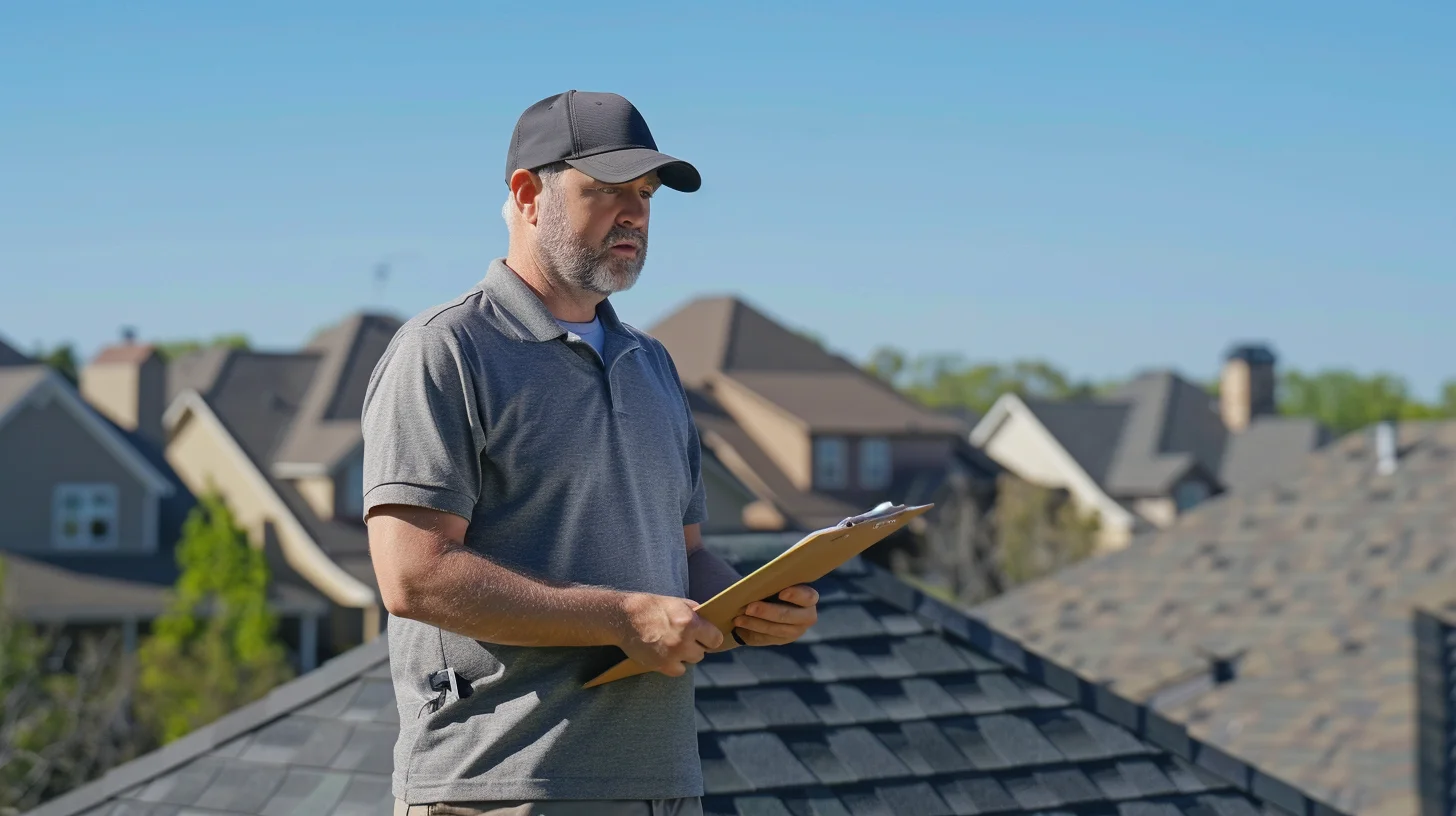
What Is a Wind Mitigation Inspection?
A wind mitigation inspection is an assessment by a licensed inspector of your home's ability to resist hurricane-force winds. The inspector evaluates specific construction features — roof shape, roof covering, roof deck attachment, opening protection, and more — and documents them on a standardized form that you submit to your insurance company.
Insurers use this information to calculate discounts on your wind premium. The better your home's construction, the larger the discount.
What Inspectors Evaluate
- Roof covering — What type of roofing material, age, and installation method
- Roof deck attachment — How the sheathing is nailed to the rafters (8d nails vs. 6d nails, nail spacing)
- Roof-to-wall connection — Toenails vs. clips vs. single wraps vs. double wraps vs. structural connectors
- Roof geometry — Hip roofs perform better than gable roofs in high winds
- Opening protection — Impact-resistant windows/doors, hurricane shutters, or rated garage doors
- Roof age and permit date — Newer roofs built to current codes earn better credits
How Much Can You Save?
Savings vary by insurer and home construction, but the Florida Office of Insurance Regulation reports average wind mitigation discounts of 25–45% on the wind portion of the premium. For a home paying $3,000/year in insurance with 60% wind coverage, that's $450–$810 in annual savings.
The inspection itself costs $75–$150. The math almost always works in your favor.
The FORTIFIED Program
The Insurance Institute for Business & Home Safety (IBHS) FORTIFIED program goes beyond basic wind mitigation. Homes built or retrofitted to FORTIFIED standards have been shown to reduce damage by up to 95% in hurricane conditions. In Alabama, South Carolina, and increasingly other states, FORTIFIED certification can unlock 15–30% premium discounts — and some states now require insurers to offer these discounts by law.
How to Get a Wind Mitigation Inspection
- In Florida, the inspector must be a licensed contractor, engineer, architect, or certified home inspector
- The inspection uses the OIR-B1-1802 form — make sure your inspector uses the current version
- Results are valid for 5 years unless you make changes to your roof or openings
- After any roof replacement, get a new inspection — new roofs almost always qualify for better credits
Always get re-inspected after a new roof
If you've replaced your roof in the last few years, your current wind mitigation form may not reflect your improved roof deck attachment or covering. A new inspection could significantly increase your credits.