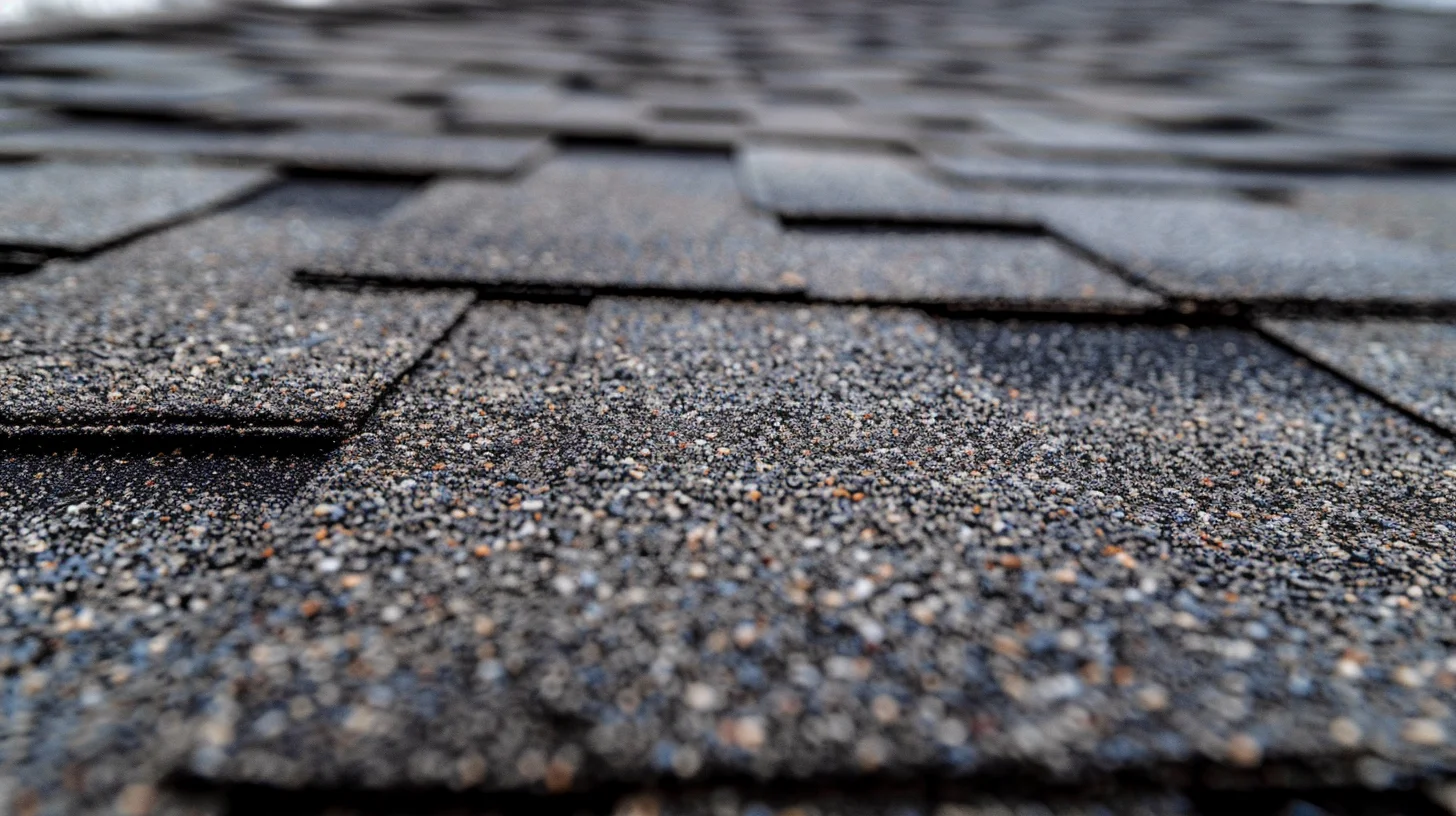
The Age Problem
When a hurricane damages your roof, you might expect insurance to pay for a full replacement. What you actually receive depends heavily on how old your roof is and which type of coverage you have. This surprises more homeowners after storms than almost any other insurance issue.
How Insurers Calculate Depreciation
Insurers assign a "useful life" to roofing materials — typically 20–25 years for asphalt shingles, 40–50 years for metal, 15–20 years for 3-tab shingles. They then depreciate your roof's value based on its age relative to that lifespan.
| Roof Age | Estimated ACV Payout | You Pay |
|---|---|---|
| 5 years old | ~80% of replacement cost | ~20% |
| 10 years old | ~60% of replacement cost | ~40% |
| 15 years old | ~40% of replacement cost | ~60% |
| 20 years old | ~20% of replacement cost | ~80% |
The 10-Year Cutoff
Many Florida and Gulf Coast insurers automatically switch roofs from Replacement Cost Value (RCV) to Actual Cash Value (ACV) once they reach 10 years old. Some insurers won't renew policies on roofs older than 15 years. This means your coverage structure may have changed without you receiving a clear notification.
Roof Age as a Denial Reason
After a storm, adjusters frequently attribute damage to "wear and tear" or "normal aging" rather than the storm event — especially on older roofs. This allows them to deny or severely underpay claims. A 15-year-old roof absolutely can sustain legitimate storm damage, but the burden falls on you to prove the damage was storm-caused rather than age-related.
This is where having a licensed contractor who specializes in storm damage documentation is invaluable — they can identify and document damage patterns consistent with the specific storm event.
What You Can Do
- Document your roof annually — Photos and videos before storm season create a pre-storm baseline that makes it much harder for insurers to claim damage is pre-existing
- Check your policy type — Confirm whether you have RCV or ACV coverage on your roof right now
- Consider proactive replacement — If your roof is 15+ years old, replacing it before a storm can qualify you for better coverage, lower premiums, and dramatically better claim outcomes
- Get a wind mitigation inspection after replacement — A new roof built to current codes earns significant insurance credits
A timestamped photo record of your roof's condition before a storm makes it nearly impossible for an insurer to claim your damage is pre-existing. See our Pre-Storm Documentation Guide for exactly what to capture.