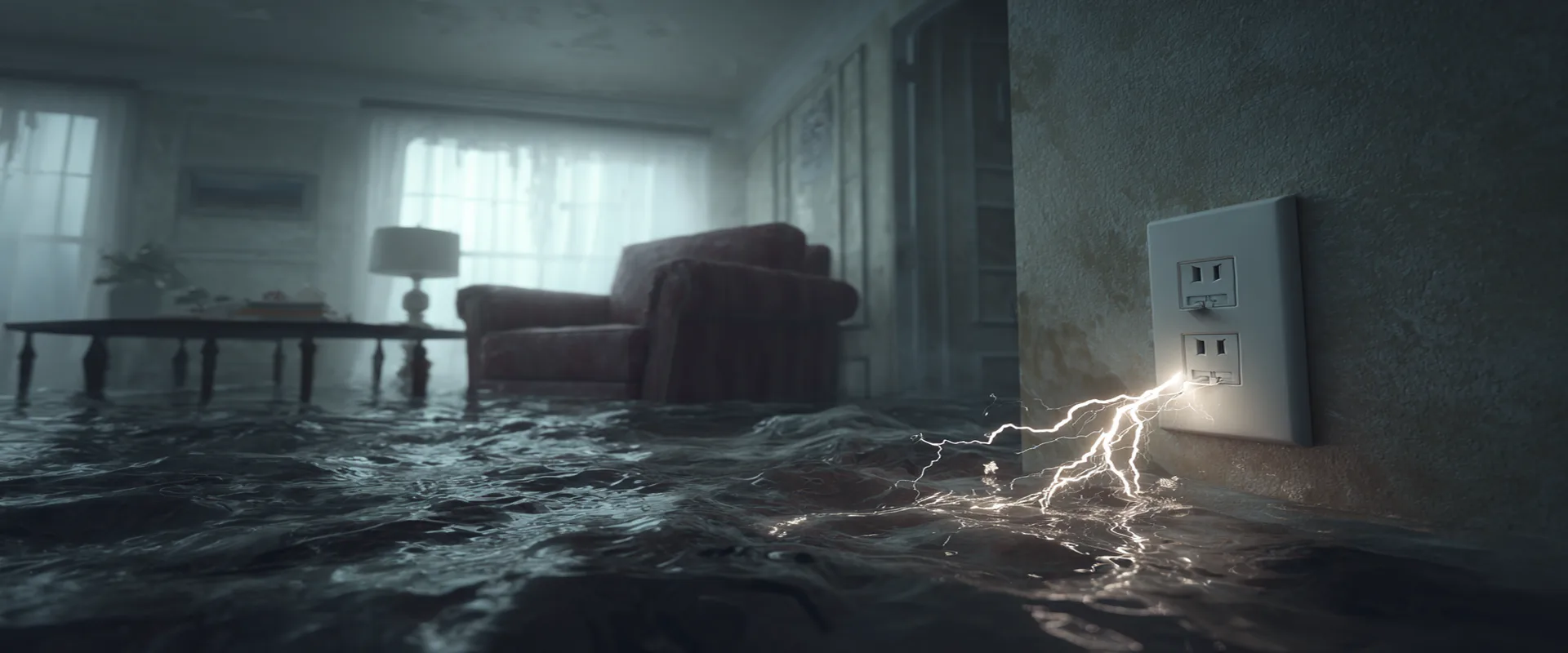
Drying Out Your Home After Storm Damage
Storm Recovery · Water Damage
Drying Out Your Home After Storm Damage

Mold starts in 24–48 hours. This is the exact drying protocol to stop it before it costs you thousands.

Drying out your home after storm water intrusion

A tarp stops new water from coming in. But the water already inside is now your most dangerous problem — and the mold clock starts immediately. In Gulf and Atlantic coastal climates, mold colonization begins within 24–48 hours. Here's exactly what to do, with or without power.

Critical — Act Within Hours

Drying out your home after water intrusion

A tarp stops new water from coming in. But the water that already entered is now your most dangerous problem — and it doesn't wait. In the Gulf and Atlantic coastal climate, mold colonization begins within 24 to 48 hours of water intrusion. Once mold is established in walls, insulation, and structural framing, you are no longer dealing with a roof repair — you are dealing with a potential uninhabitable structure and a remediation bill that can exceed the cost of a new roof.

⏱️ The mold clock — what happens hour by hour

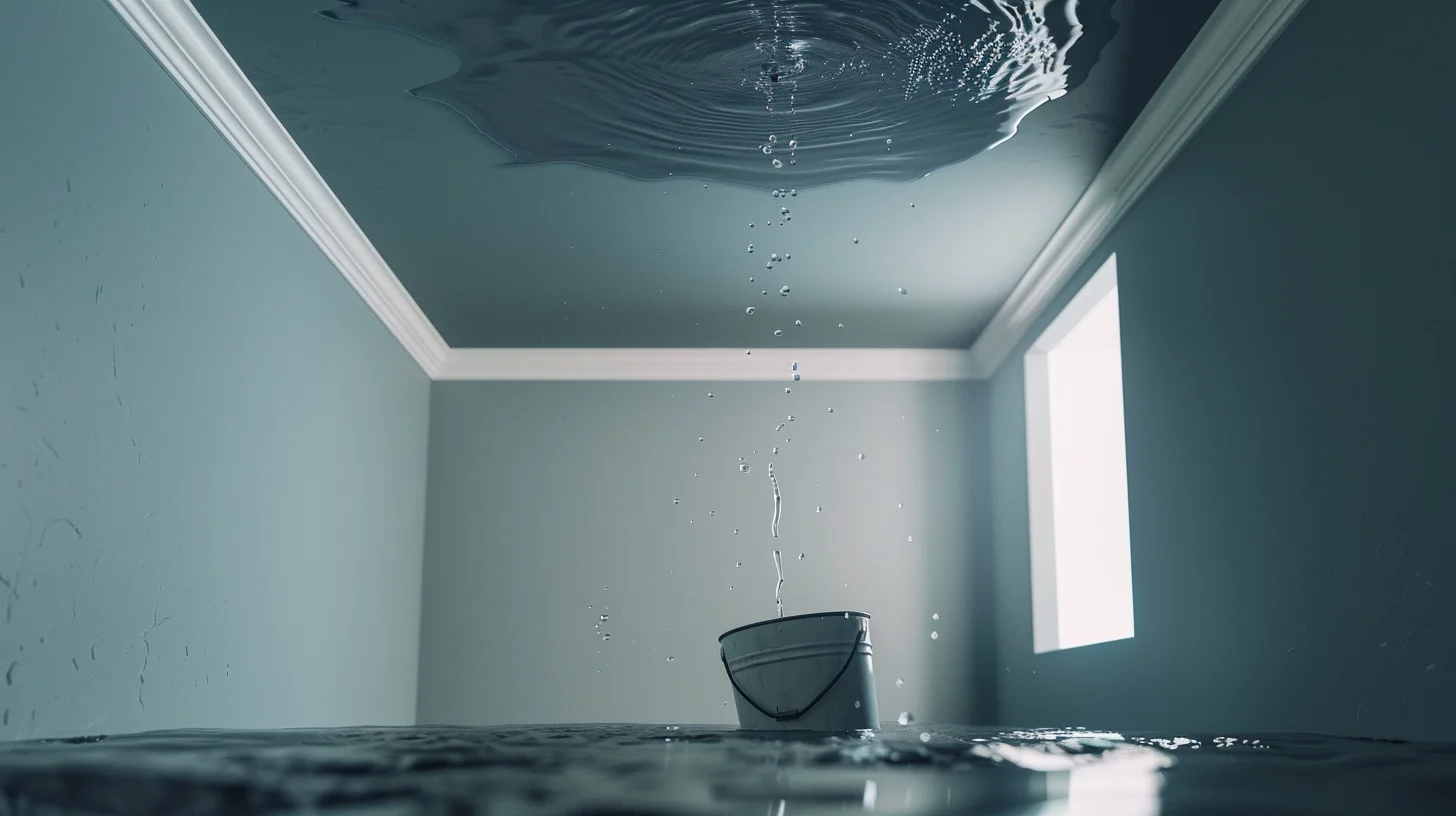
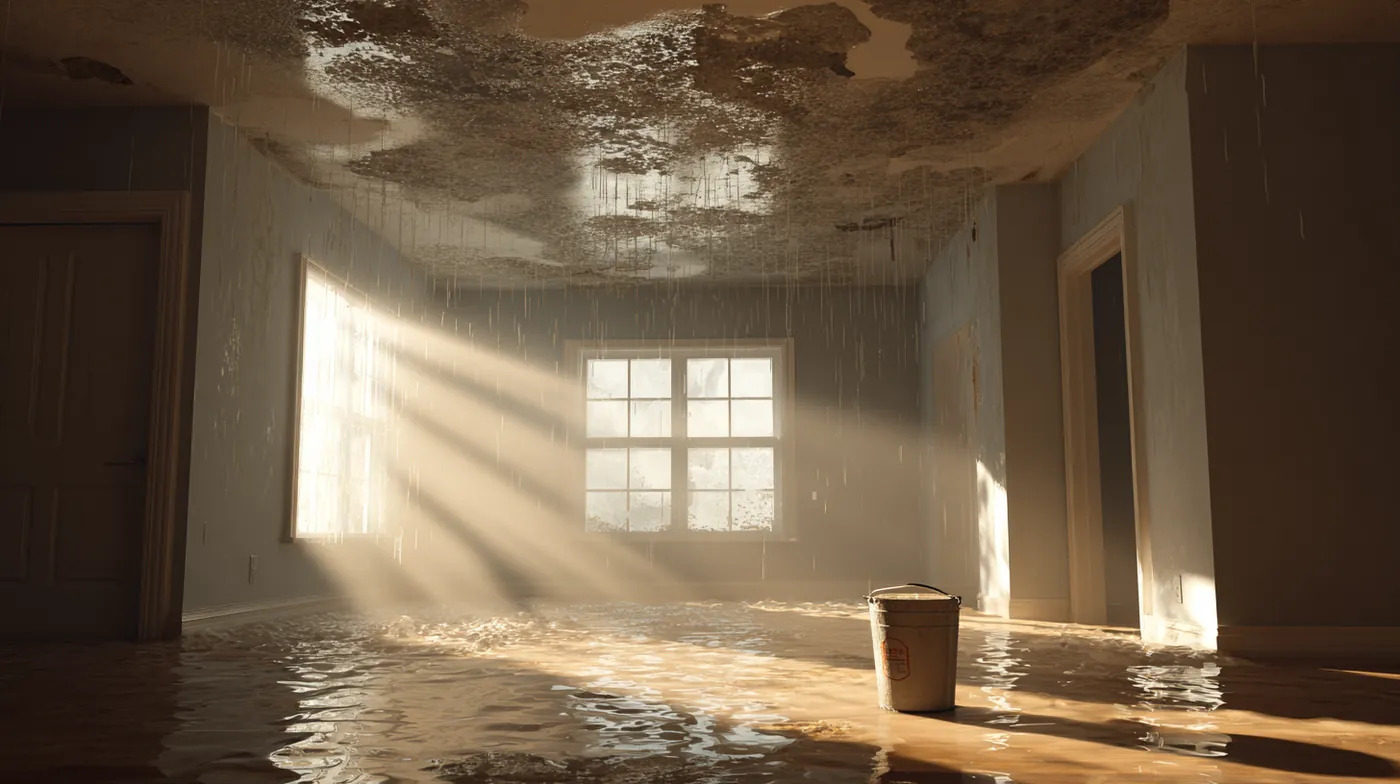
Active water leak starting the mold clock after storm damage
0–2 hrs
Water saturates insulation, drywall, and wood framing. Wicking begins immediately — moisture travels 12–18 inches in every direction from the intrusion point.
2–24 hrs
Drywall swells and softens. Wood framing absorbs moisture and begins to warp. Humidity in enclosed spaces rises sharply. Mold spores already present in the air begin to germinate on wet surfaces.
24–48 hrs
Mold colonies begin forming. Visible mold may not appear yet but growth has started. Secondary water damage compounds — paint bubbles, floors buckle, ceiling drywall begins to sag dangerously.
72 hrs+
Mold is visibly spreading. Structural wood begins to lose strength. Insulation is permanently contaminated. Professional remediation is now required regardless of drying efforts — you have passed the point of DIY recovery.

How to dry out your home — with or without power

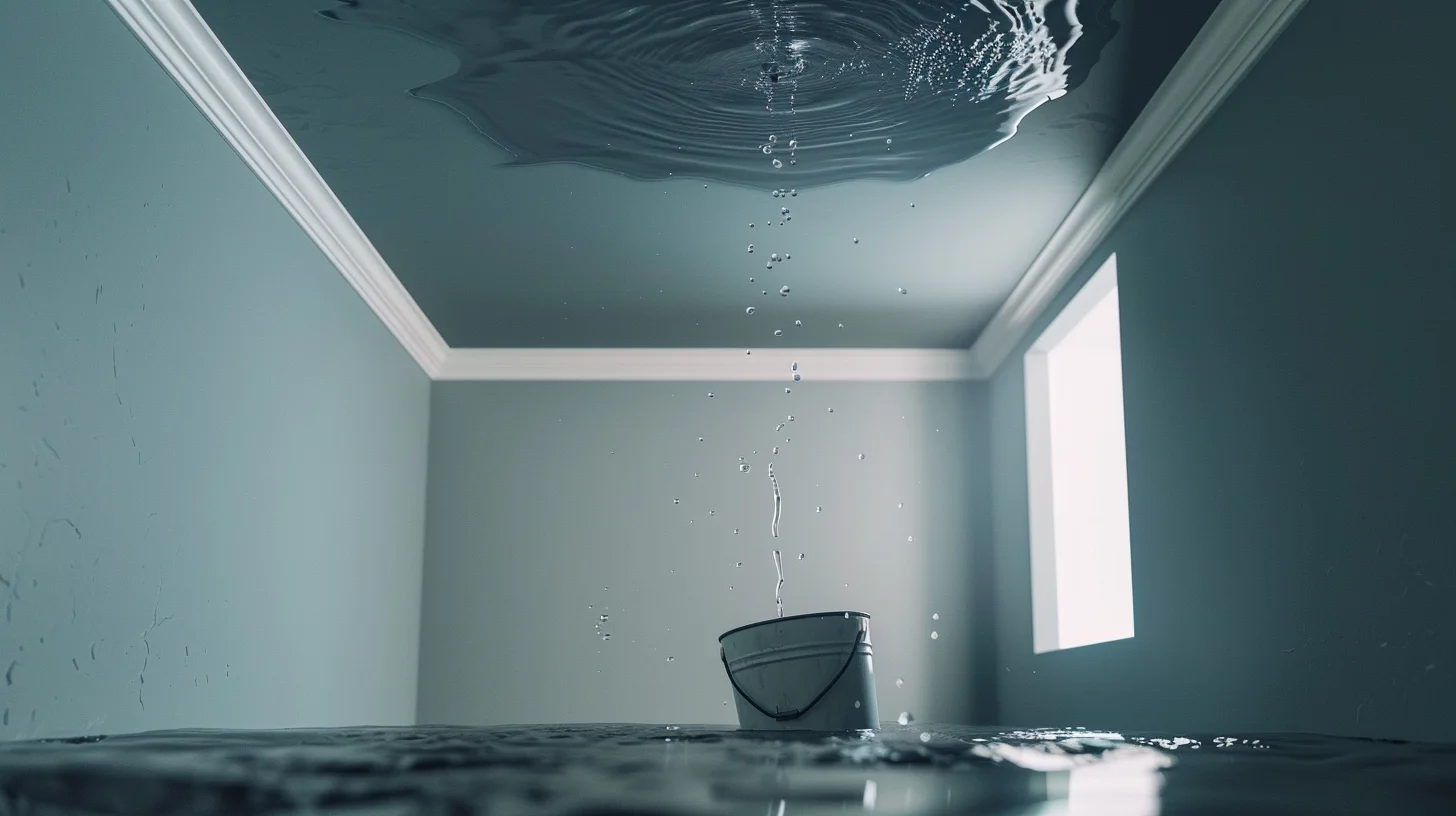
Workers drying out home and removing water damaged materials

⚡ If you have power

  • Run every dehumidifier you have immediately. In coastal Florida and Gulf states, indoor humidity after water intrusion can reach 90%+. A dehumidifier is your most powerful weapon — run it continuously, not intermittently.
  • Point fans directly at wet surfaces — not just into the room. Airflow across a wet surface dries it exponentially faster than still air. Box fans on the floor aimed at wet walls, oscillating fans pointed at wet ceilings.
  • Run your AC on the coldest setting. Air conditioners dehumidify while they cool. In a post-storm situation, cooling matters less than the dehumidification effect — turn it as cold as it goes.
  • Open interior doors but keep exterior doors and windows closed. You want airflow between rooms, not outside air — coastal post-storm air is extremely humid and will add moisture, not remove it.
  • Pull up wet area rugs immediately. Rugs trap moisture against the floor underneath. A wet rug left in place will grow mold on its underside within 24 hours regardless of how dry the top feels.

🔋 If you have no power — this is critical

  • Battery-powered fans are not optional — they are emergency equipment. Keep a minimum of two high-capacity battery fans in your storm kit, fully charged before every season. A single battery fan running continuously buys you hours of drying time that can make the difference between salvageable and lost.
  • Open windows only if outside humidity is lower than inside. Check at dawn — coastal mornings after a storm may offer briefly lower humidity. If outside air feels heavy and wet, keep windows closed. Opening to humid air speeds up mold growth.
  • Generator + dehumidifier is your single best investment as a coastal homeowner. A 2,000–3,000 watt generator can run a dehumidifier and several fans. If you don't own a generator, get one before hurricane season. The difference between having one and not having one after a major storm is often the difference between saving your home's interior and gutting it.
  • Silica gel packets and desiccant buckets won't dry a water-damaged room — don't rely on them for structural moisture. They help with enclosed cabinets and drawers where electronics or valuables are stored.
  • Remove standing water immediately with a wet/dry shop vac, buckets, or towels. Every gallon of water you physically remove is a gallon that doesn't evaporate into your walls and ceiling.

What to pull out immediately — and what to leave

REMOVE IMMEDIATELY

  • All wet area rugs and throw rugs — outside to dry or discard
  • Wet upholstered furniture — cushions off, fabric dried or replaced
  • Wet cardboard boxes — mold food, discard immediately
  • Wet insulation from inside walls if accessible — pink fiberglass holds water and cannot dry in place
  • Wet drywall that has been saturated for more than 24 hours — it will not dry without mold, cut it out
  • Wet clothes, linens, towels — into a dryer or outside immediately
  • Any food in cabinets that got wet — discard without exception

LEAVE AND DRY IN PLACE

  • Hardwood floors — do not rip up immediately, allow to dry with fans before assessing. Cupping is repairable if dried fast enough.
  • Tile and concrete floors — mop up water and let dry, they don't absorb
  • Drywall that got wet within the past 12 hours — cut inspection holes at the bottom to check the cavity, dry aggressively with fans, reassess at 24 hours
  • Structural wood framing — dry it in place with fans and dehumidifiers, only replace if it shows rot, soft spots, or visible mold after drying
  • Exterior walls — open the bottom plate if you can to allow air circulation inside the cavity

🚫 The 3 mistakes that turn a repair into a gut job

  • Closing up the house and leaving. Even 48 hours of no airflow in a wet coastal home is enough for mold to establish throughout. If you must evacuate, leave interior doors open and fans running if power is on.
  • Painting or sealing over wet drywall. Trapping moisture under paint or primer guarantees mold growth in the wall cavity where it can't be seen until it's structural.
  • Waiting for the insurance adjuster before starting to dry. You have a legal duty to mitigate further damage. Letting mold grow while waiting for an adjuster visit gives the insurer grounds to deny mold-related damage as preventable.

📦 What to have in your storm kit for drying

  • 2,000–3,000W generator — runs dehumidifier + fans
  • One 50-pint or larger dehumidifier
  • Two high-capacity battery fans (charged before season)
  • Wet/dry shop vacuum — minimum 5 gallon
  • Box of contractor garbage bags — 3 mil, 33 gallon
  • Moisture meter — $20 at any hardware store, tells you if wood is dry enough (below 19% moisture content)
  • Disposable respirator masks — N95 minimum for working in a water-damaged space
  • Rubber gloves and eye protection

💡 How to know if mold has already started

  • Smell before you see. A musty, earthy, or sour smell in an enclosed room — especially in the attic, inside closets, or behind walls — is mold before it's visible.
  • Check the attic first. Mold in roof-intrusion situations almost always starts in the attic. Look at roof decking and rafters for dark staining, fuzzy growth, or white powdery spots.
  • Check baseboards and lower drywall. Water wicks down. If the ceiling got wet, the walls below absorbed it. Press gently on drywall — soft spots indicate saturation.
  • If you see black, green, or white fuzzy growth anywhere — do not disturb it. Call a certified mold remediation professional. Disturbing active mold without containment spreads it throughout your HVAC system.

🏠 When to call a professional water mitigation company — not just a roofer

A roofing contractor handles the roof. A water mitigation company handles what the water did inside your home — and they are different services. If you have any of the following, call a licensed water damage mitigation company (not just a roofer) within 24 hours:

  • Standing water anywhere inside the home
  • Ceiling drywall that is visibly sagging or bulging
  • Any visible mold growth, regardless of size
  • Musty smell in any enclosed area
  • Wet insulation in walls or attic
  • Water intrusion that continued for more than 6 hours undetected
  • Any water intrusion if you cannot restore power within 12 hours
  • Flooring that is buckled, warped, or separating at seams

Water mitigation companies use industrial-grade drying equipment — commercial dehumidifiers, air movers, and moisture monitoring systems — that are not available at hardware stores. Most homeowner policies cover water mitigation as part of the storm damage claim. Call your insurer when you call the mitigation company — get both processes started simultaneously.

The Hidden Damage

Structural drying — what happens inside your walls

Structural drying inside walls after storm water intrusion

The most insidious post-storm moisture damage is invisible. Water wicks laterally through insulation, tracks down wall cavities, and saturates structural framing without any visible surface sign. By the time you see a stain, the damage has been progressing for days.

OSB subfloor

OSB absorbs water and swells significantly. Moisture meter above 19% indicates saturation requiring drying. Above 25% may need replacement. Swelling at seams and soft spots underfoot are physical signs.

Wall insulation

Fiberglass batt insulation is essentially non-dryable in place. Once saturated it becomes a persistent mold substrate. The drywall must be cut out and insulation removed — drying in place does not work.

Wood framing

Dimensional lumber can recover IF dried below 19% moisture before mold colonizes. Fan-assisted drying works for framing not yet at the mold threshold. Check with a moisture meter daily. Soft spots or dark staining indicate mold present.

The moisture meter — your $20 essential tool

A pin-type moisture meter available at any hardware store for $15–$25 is the most important tool for assessing whether your drying efforts are working. Target: wood framing and subfloor below 19%, drywall below 1%. Take readings daily in all affected areas — rising readings mean hidden water sources or inadequate drying. Document your readings with photos as part of your insurance claim.

When to call professional water mitigation

  • Standing water anywhere inside
  • Ceiling drywall sagging or bulging
  • Any visible mold growth
  • Musty smell in any enclosed area
  • Water intrusion more than 6 hours undetected
  • No power restoration within 12 hours

What professional mitigation includes

Commercial dehumidifiers moving hundreds of pints per day, high-velocity air movers, thermal imaging to find moisture behind walls, moisture meters to track drying progress. Most homeowner policies cover water mitigation as part of the storm claim. Call your insurer when you call the mitigation company — get both started simultaneously.

Verify IICRC certification at iicrc.org
Need Immediate Help?
Water damage from roof leak requiring immediate attention
Free — No Obligation

Get a licensed roofer to inspect your roof

One request. Up to 3 free estimates from licensed local contractors. Takes under a minute.

Get a licensed local roofer on-site today

Emergency tarping, damage assessment, same-day response available in most Gulf and Atlantic coastal markets.

🚨 Request Same-Day Help →
🚨 Emergency Tarping
🚨 Emergency Help ×

Active leak or major storm damage? We can get someone to you fast — or help you tarp right now.

📞 Request Same-Day Help → 🛖 After-Storm Guide →
Tap the red tab on the right edge to open or close this panel anytime.