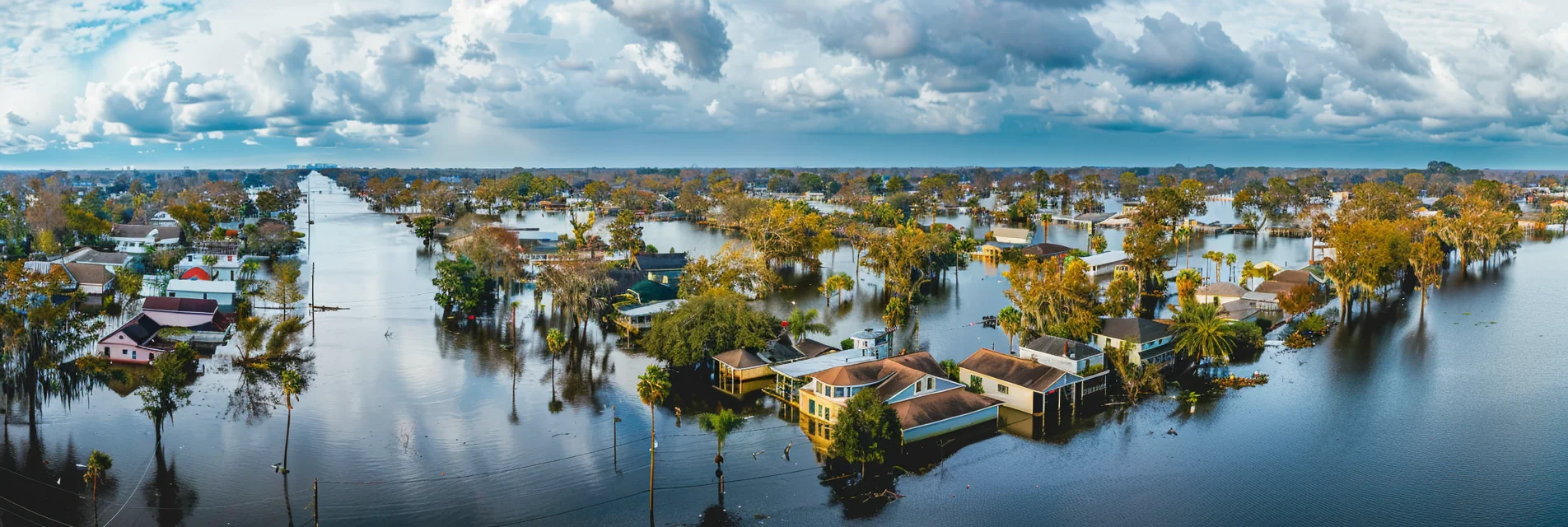
Maryland's storm exposure comes from two directions: Atlantic hurricanes and tropical storm remnants that track up the coast, and powerful nor'easters that strike October through March. The Chesapeake Bay's fetch amplifies storm surge and wind in Worcester, Somerset, and Dorchester counties. Maryland follows the 2018 IBC/IRC with local amendments; Worcester and Somerset counties enforce ASCE 7-16 coastal wind provisions.
Storm damage on Maryland roofs
Maryland's dual exposure — Atlantic coast and Chesapeake Bay — creates storm damage patterns that affect both oceanfront and bay-side properties very differently.
Hurricane Sandy (2012), Isabel (2003), and Tropical Storm Isaias (2020) are the benchmarks for Maryland coastal damage — but it's the annual nor'easters that generate the most consistent claim volume. Worcester County (Ocean City), Queen Anne's, and Anne Arundel counties record the highest claim rates. Baltimore and the D.C. suburbs also see significant storm damage from severe thunderstorms and hurricane remnants.
Chesapeake Bay spray and annual freeze-thaw cycles — Maryland averages 43 inches of rain and significant winter snow — accelerate shingle granule loss and flashing corrosion, shortening roof lifespan even in the absence of major storm events.
🌀 Recent Maryland storm benchmarks
Sandy (2012), Isabel (2003), and Isaias (2020) are Maryland's defining storm events. Sandy's storm surge reached 4–5 feet at Ocean City and generated thousands of claims across the Eastern Shore. Isabel produced record surge levels in the Chesapeake Bay, particularly in Annapolis and Baltimore harbor areas.
Coastal roof types & how they hold up in Maryland
The right roof for a Maryland coastal home balances wind rating, cost, and local climate exposure.
Architectural shingle
Most common statewide. Class 4 impact-rated recommended on the Eastern Shore and Chesapeake Bay-exposed properties.
Metal roofing
Excellent for Maryland's combination of humidity, freeze-thaw cycles, and storm exposure. Growing in the Eastern Shore market.
Slate and historic materials
Common in Annapolis and Baltimore historic districts. Requires licensed specialist after any storm impact.
📋 Maryland building code overview
Maryland follows the 2018 IBC/IRC with local amendments. Worcester and Somerset counties enforce ASCE 7-16 coastal high-wind provisions. Annapolis and Chesapeake Bay-facing properties should confirm local amendments with the county building department.
2026 roof repair & replacement ranges
Ranges reflect 2026 quotes from licensed Maryland roofers. Ocean City, Annapolis, and coastal Eastern Shore markets run higher than state average.
| Roof work | Typical range | Best for |
|---|---|---|
| Minor storm repair | $400 – $1,600 | Missing shingles, nor'easter damage, flashing |
| Section / slope replacement | $1,500 – $6,500 | Wind or hail damage, one slope |
| Full roof replacement | $9,000 – $24,000+ | Major storm damage or aging roof |
| Free inspection | $0 | Every homeowner after a storm |
Maryland labor rates are moderate to high — slightly above Virginia, below DC suburbs. Eastern Shore ferry access for some properties may affect scheduling.
Your roofing product or service here. Reach homeowners actively comparing storm-damage roofing options across 13 coastal states. High-intent audience, zero waste.
Storm roof claims in Maryland
Maryland homeowner's insurance covers wind and storm damage — nor'easters and bay storms require the same fast documentation as hurricanes.
Maryland insurers accept dated inspection reports as the standard support format for storm-damage claims. Chesapeake Bay storm surge is covered under separate flood insurance (NFIP); wind damage falls under the standard policy. Maryland policies typically allow one year from the date of loss to file.
💰 Wind-mitigation discounts in Maryland
Maryland homeowners on the Eastern Shore and Chesapeake Bay-exposed properties who install Class 3 or Class 4 impact-rated shingles can qualify for insurance premium discounts. Some Maryland insurers recognize FORTIFIED certification. Contact your insurer before starting work to confirm qualifying products and documentation requirements.
What to do once it's safe
Stay safe & tarp if needed
Don't climb a damaged roof. Cover active leaks from inside and call a pro for emergency tarping if water is actively entering. Step-by-step tarp guide →
Document everything with dates
Take dated photos of all visible damage — roof surface, ceilings, walls, attic, and any affected belongings. Date and timestamp are critical for claim correlation.
Get a free licensed inspection
A licensed local roofer assesses hidden damage — shingle seal failure, deck saturation, flashing separation — and produces a written report for your claim.
File within your window
Submit your claim promptly with the inspection report. Most Maryland policies allow one year from the date of loss — but earlier is always stronger.
Maryland's storm season spans the entire calendar year
Atlantic hurricane season runs June–November, and Maryland's nor'easters peak October–March. There is no off-season for Maryland storm damage. A free inspection after any damaging event creates the dated documentation that keeps your claim valid.
How to verify a roofer in Maryland
After any major storm, unlicensed contractors target affected neighborhoods. Here is how to protect yourself.
Maryland roofing contractors must hold a Home Improvement License (MHIC) from the Maryland Department of Labor. Verify at labor.maryland.gov before signing any contract. After Sandy, fraudulent contractors targeted Ocean City and Eastern Shore communities — always verify Maryland MHIC licensure.
Verify state license
Check the state licensing board before signing anything.
Confirm insurance
Ask for a certificate of liability and workers' comp.
Use a local roofer
Local contractors know your county's permit process and are accountable after the job.
Licensed & insured
we connect you with local Maryland contractors and stay out of your way — no commission, no pressure.
State licensed
Contractors in our Maryland network represent themselves as state-licensed. Always verify before signing — check dllr.state.md.us ↗
Fully insured
Liability and workers' compensation insurance confirmed on every contractor.
Local experience
Pros who know Maryland code, your county's permit office, and local claim patterns.
Maryland counties we cover
Pick your county for its local storm history — Isabel, Sandy, the 2012 derecho, the La Plata tornado — plus MHIC licensing and Guaranty Fund guidance, wind-vs-flood claim tips, and licensed roofers near you. Each county page lets you drill down to your city.
Get your free Maryland roof inspection
No cost, no obligation. A licensed local roofer typically reaches out within 24–48 hours.
Request received!
A licensed local roofer will reach out within 24–48 hours to schedule your free Maryland inspection.