Every roof material fails differently in a storm. Knowing what damage looks like on your specific roof type is the difference between a full insurance payout and a denied claim.
Jump to your roof type ↓The most expensive insurance claim mistake is documenting the wrong things. An adjuster looking at a tile roof is looking for very different evidence than one inspecting asphalt shingles. Use this guide to prepare before the adjuster arrives.
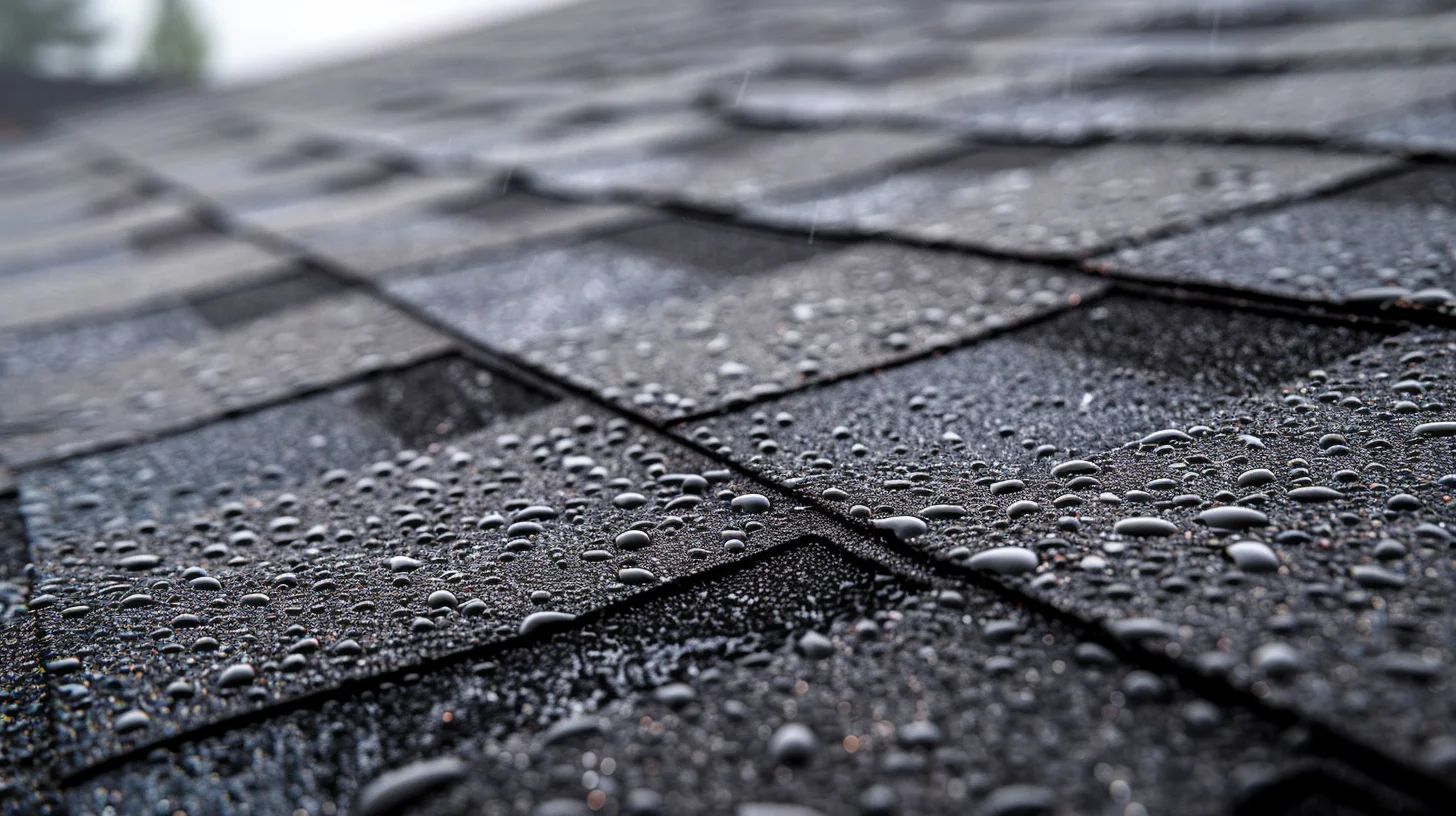
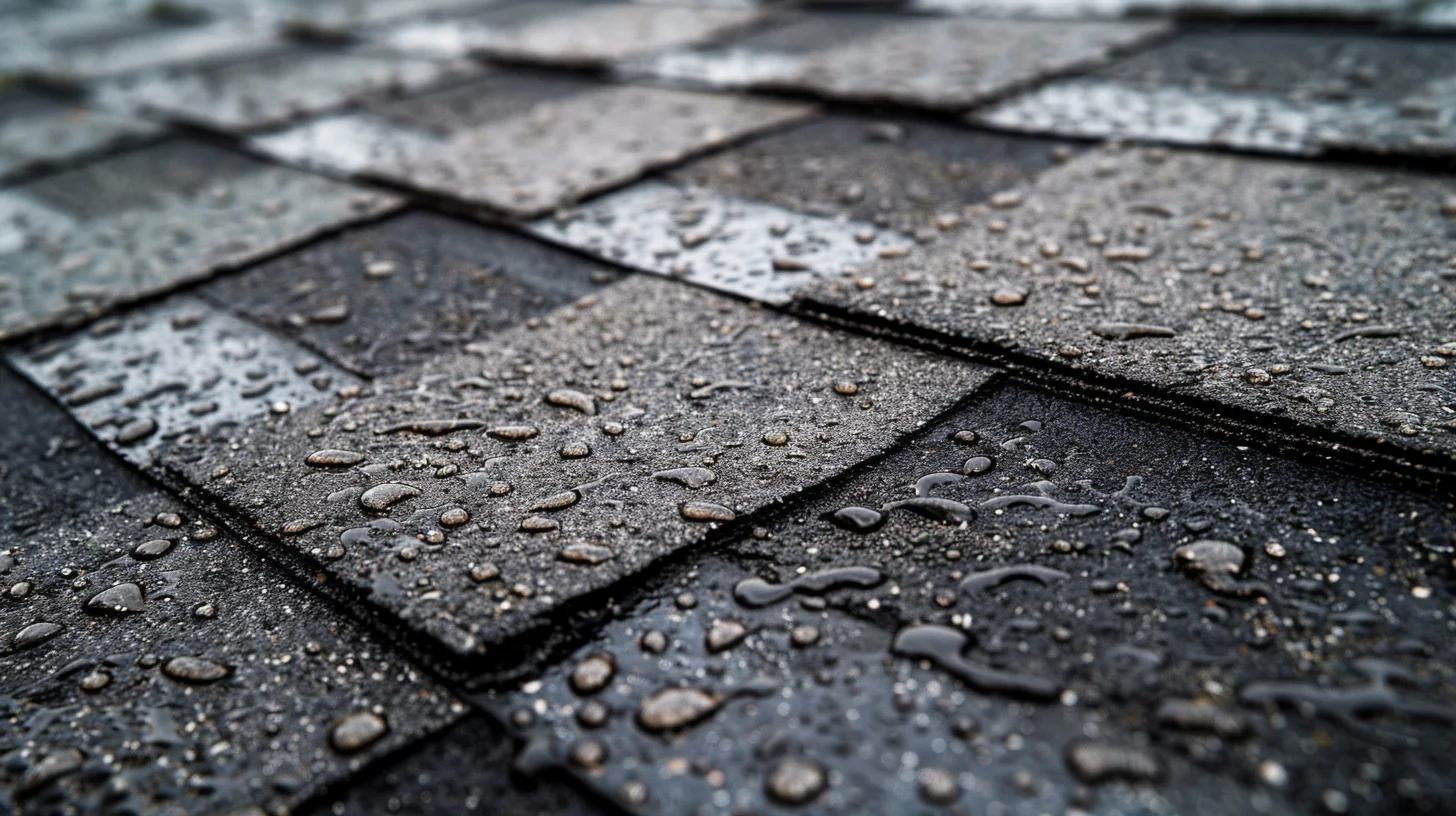
The most common roof type on coastal homes. Asphalt shingles are the most straightforward to document after a storm — damage is usually visible. The challenge is proving wind vs. wear-and-tear age to your insurer.
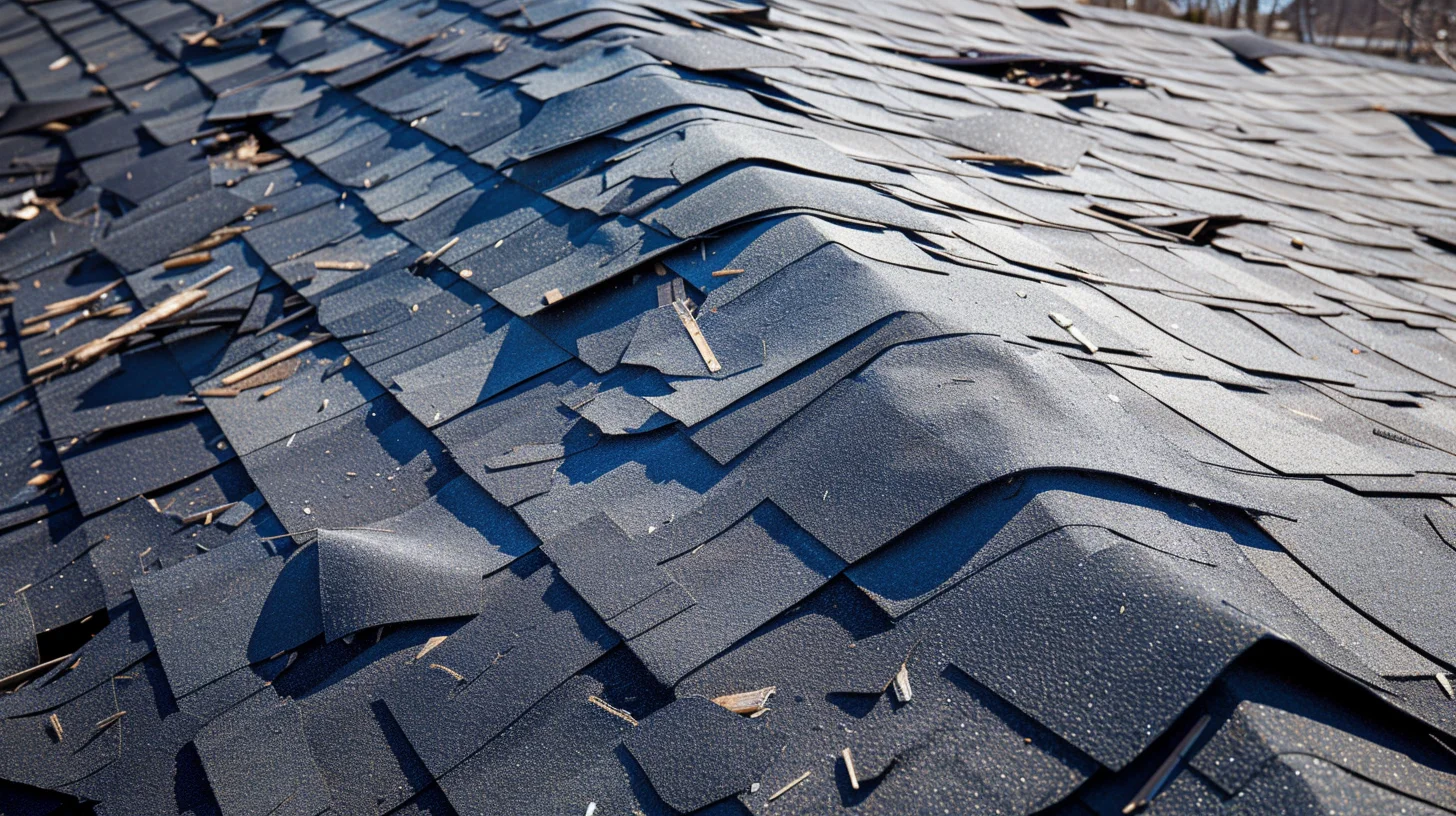
Missing shingles, lifted tabs, creased shingles along ridge. Document exposed decking immediately — water intrusion starts within hours.
Random dark bruise marks, granule loss in gutters, dimples on soft metal (gutters, flashing, AC fins). Each hail hit compresses the mat and accelerates aging.
Active leaks, water stains on decking, lifted flashing at valleys and penetrations. Check attic 24 hours after the storm.
Granule loss that isn't visible from the ground. Cracked or fractured tabs. Bruising underneath lifted shingles. Always request a full roof walk.
Get a licensed inspector to document before cleanup. Free, no obligation.
Metal roofs are the most durable option in high-wind coastal zones — but they hide damage better than any other material. Hail dents, coating failure, and seam separation are invisible from the ground and frequently missed by adjusters who aren't metal specialists.
Circular dents break the protective coating. Corrosion begins within months. Requires close-up inspection — coins placed next to dents for photographic scale.
Wind pressure causes screws and nails to back out of panels. Water enters around loosened fasteners. Invisible without walking the roof.
Standing seam panels can separate at joints under wind uplift. Major leak risk at end laps and side laps. Check after every high-wind event.
Hail damage often indistinguishable from normal surface texture. Requires manufacturer-certified inspector. Don't let a general contractor assess metal shingles.
Read our full metal roofing guide — then get a specialist inspection.
Concrete and clay tile is the dominant roof type across Florida and the Gulf Coast. Tile is extremely wind-resistant when intact — but individual tiles crack or dislodge and the underlayment beneath is the real waterproofing layer. A tile claim is usually an underlayment claim.
Direct impact from debris or hail cracks tile. Each broken tile exposes underlayment. Even a small crack channels water during heavy rain.
Wind lifts and shifts tiles out of alignment. Underlayment exposed at ridge, hip, and valley tiles first. Often invisible without walking the roof.
The real waterproofing is the felt or synthetic underlayment under the tile. When it fails — from age or storm damage — the entire roof leaks even with intact tile. This is your primary claim item.
Discontinued tile profiles are your best friend in a claim. If your exact tile is no longer made, Florida law often requires full replacement to match.
A licensed tile roofing specialist can document underlayment exposure — the key to a full claim.
Flat and low-slope roofing systems — TPO membrane, modified bitumen, and built-up roofing — are common on commercial buildings and Florida homes with flat sections. Storm damage here is almost always water-related: membrane punctures, seam failures, and drain blockages.
Debris impact during a storm punches through TPO or modified bitumen membrane. Even a small hole causes major interior damage during sustained rain.
Wind pressure lifts membrane edges and pulls seams apart. Water enters at any open seam. Heat-welded TPO seams are most vulnerable at termination points.
Ballasted systems lose gravel during high winds. Edge metal and perimeter flashings blow off. Any separation at the roof edge is a major wind damage claim.
Storm debris blocks interior drains causing ponding water. If water weight exceeds design load — a structural emergency. Document standing water depth immediately.
Membrane damage needs immediate inspection — delays make attribution harder.
Wood shake and shingles are less common on newer coastal homes due to fire and insurance requirements — but many older homes still have them. Storm claims on wood roofs are often the most contested because of the difficulty separating storm damage from natural weathering and decay.
Hail impact splits wood fibers along the grain. Fresh splits have bright, exposed wood grain. Older splits are gray and weathered — key distinction for adjusters.
Individual shakes blow off or lift. Missing shakes are obvious but adjusters will argue pre-existing decay. Document with before-storm photos if possible.
Storm debris and trapped moisture accelerate wood rot after a storm. What started as wind damage becomes a decay claim quickly. Act within days not weeks.
The hardest claim to win. Get a wood roofing specialist — not a general roofer — who can document fresh storm damage vs existing weathering in writing.
Wood claims require a specialist who can distinguish fresh storm damage from weathering. Get matched now.
If your storm damage warrants a full replacement, you have an opportunity to upgrade your roof's storm resistance. Here's how each material compares for coastal homeowners replacing after a total loss.
$10,000–$18,000 installed for most coastal homes. Best value for pure cost. Choose Class 4 impact-rated, 130mph wind-rated products. Avoid 3-tab shingles on any coastal property.
$18,000–$35,000 installed. Highest wind resistance, 40–50 year lifespan, qualifies for maximum FORTIFIED discounts. Often pays for the premium through insurance savings within 8–12 years.
$20,000–$40,000 installed. Extremely durable, excellent insurance ratings, virtually immune to hail damage. Heavy — requires structural assessment on older homes. Very common in South Florida.
Ask your insurer specifically — many now offer premium discounts for metal and Class 4 impact-rated shingles. The discount can change your break-even calculation significantly.

Certain documentation steps apply to every roof type and every storm. Do these before any cleanup, before any temporary repairs, and before the adjuster visits.
You have a duty under your policy to prevent further damage — so tarping an active leak is appropriate and expected. But document the damage before you tarp it. Courts and adjusters have consistently held that pre-repair documentation is the homeowner's responsibility. "The tarp covered it" is not a defense against a denied claim.
Cracked tile is rarely purely cosmetic — even a hairline crack in a concrete or clay tile channels water to the underlayment during heavy rain. Request your adjuster put their cosmetic determination in writing, then have a roofing contractor assess whether the crack creates a functional water intrusion pathway. That assessment changes the claim category.
Most states have matching laws that require insurers to pay for a uniform appearance. Florida, North Carolina, and Virginia have strong matching requirements. Document the discontinued profile before tearoff — get the manufacturer's discontinued notice in writing. This is often the difference between a partial and a full replacement payout.
Get a thermal moisture scan of the roof. This technology identifies wet insulation beneath the membrane and can definitively show areas saturated after the storm date vs pre-existing areas. A thermal scan report dated after the storm is strong evidence that the damage is storm-related, not maintenance neglect.
Varies by state and policy. Florida generally allows 1 year from the storm date for hurricane claims under current law (as of 2023). Texas is typically 2 years. Other states range from 1–3 years. Check your specific policy — the declarations page will have the claim reporting requirements. Never assume you have more time than you do.
Active leak or major storm damage? We can get someone to you fast — or help you tarp right now.
📞 Request Same-Day Callback 🛖 Emergency Tarping Guide →