The Complete Timeline
Most homeowners focus on installation time — but that's just one piece. Here's the full process from start to finish:
Contract to permit
After signing, the contractor pulls a building permit. Normal times: 3–7 business days. Post-storm surge: up to 2–3 weeks as permit offices get overwhelmed.
Material ordering and delivery
Shingles and materials are ordered after permit approval. Normal: 2–5 business days. Post-storm: 1–3 weeks as supply chains strain under regional demand.
Installation
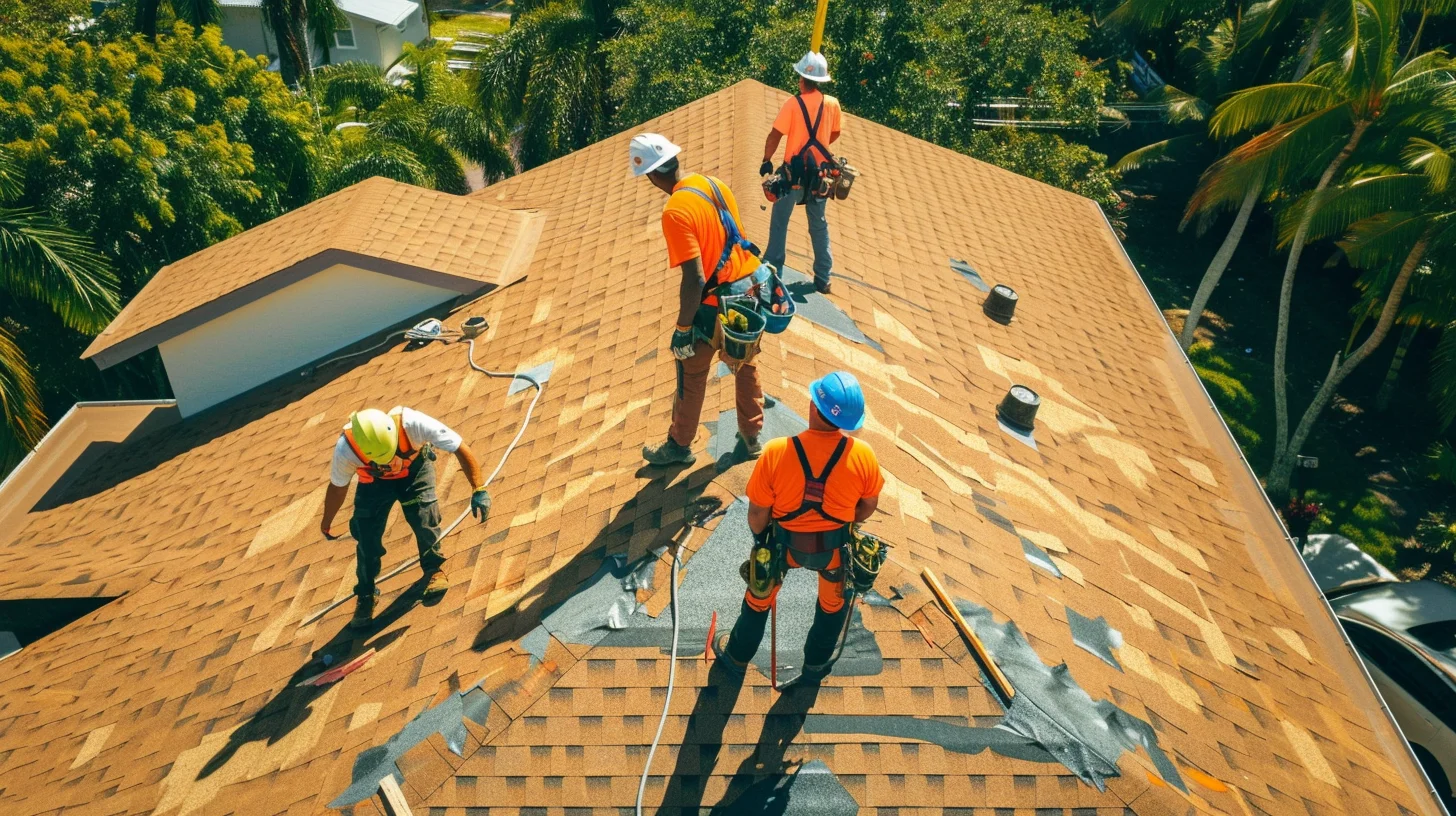
The actual roofing work. A typical 2,000 sq ft residential roof takes 1–3 days with a professional crew. Complex roofs with multiple peaks, skylights, or chimneys take longer.
Final inspection
After installation, the building department inspects. Normal: 2–5 business days. Post-storm: 1–2 weeks.
Post-Storm Reality
After a major hurricane, every timeline in your area stretches. The most reputable contractors are booked 4–8 weeks out. Permit offices are backlogged. Material suppliers face regional shortages. Anyone promising to start "tomorrow" after a major storm event should raise a red flag — reputable contractors simply don't have that kind of availability post-disaster.
After a major storm, any contractor who can start immediately is either skipping other committed jobs, operating without a permit, or isn't in high enough demand to be worth hiring. A legitimate 4–6 week wait is normal.
What Affects Installation Speed
- Roof size — A 1,500 sq ft ranch roof vs. a 3,500 sq ft two-story
- Roof complexity — Valleys, hips, dormers, skylights, chimneys all add time
- Decking condition — Hidden rot or damaged plywood adds 1–2 days
- Crew size — A 4-person crew works significantly faster than a 2-person crew
- Weather — Rain delays are common; Florida afternoon thunderstorms can push jobs by a day
Can You Live in Your Home During Replacement?
Yes — in most cases. The crew works on one section at a time, and the home is re-weatherproofed before they leave each day. However, expect noise starting early (7–8 AM), debris near entrances, and dust inside if you have older ceilings. Move vehicles away from the house and the crew will protect your landscaping if you ask.
What the Contract Should Say
Your contract should specify an estimated start date, estimated completion date, the weather delay policy, and what constitutes a material delay. Don't sign a contract with no timeline commitments — "we'll start when we can" is not an acceptable answer.