Insurance Claim" loading="eager" fetchpriority="high" style="position:absolute;inset:0;width:100%;height:100%;object-fit:cover;z-index:0">
The decisions you make in the first 72 hours determine how much your insurer pays. Here's exactly what to do.
Wind and storm damage is a covered peril under most standard homeowner policies — but claims run on a strict clock and are won or lost on documentation. Insurers process thousands of claims after every Gulf and Atlantic storm. The homeowners who get paid fully and quickly share one thing: they knew the process before the storm happened.
Report the damage same day — call your insurer or file online immediately. You get a claim number even before an adjuster is assigned. This establishes your timeline and starts the clock on your insurer's response obligations.
Document all damage before anything is touched — photo and video every affected area. Exterior, interior, attic, serial numbers of damaged appliances. Dated photos with your phone's timestamp are your primary evidence.
Get emergency tarping or mitigation done — you have a legal duty to prevent further damage. Keep every receipt. Emergency protective measures are reimbursable under your policy.
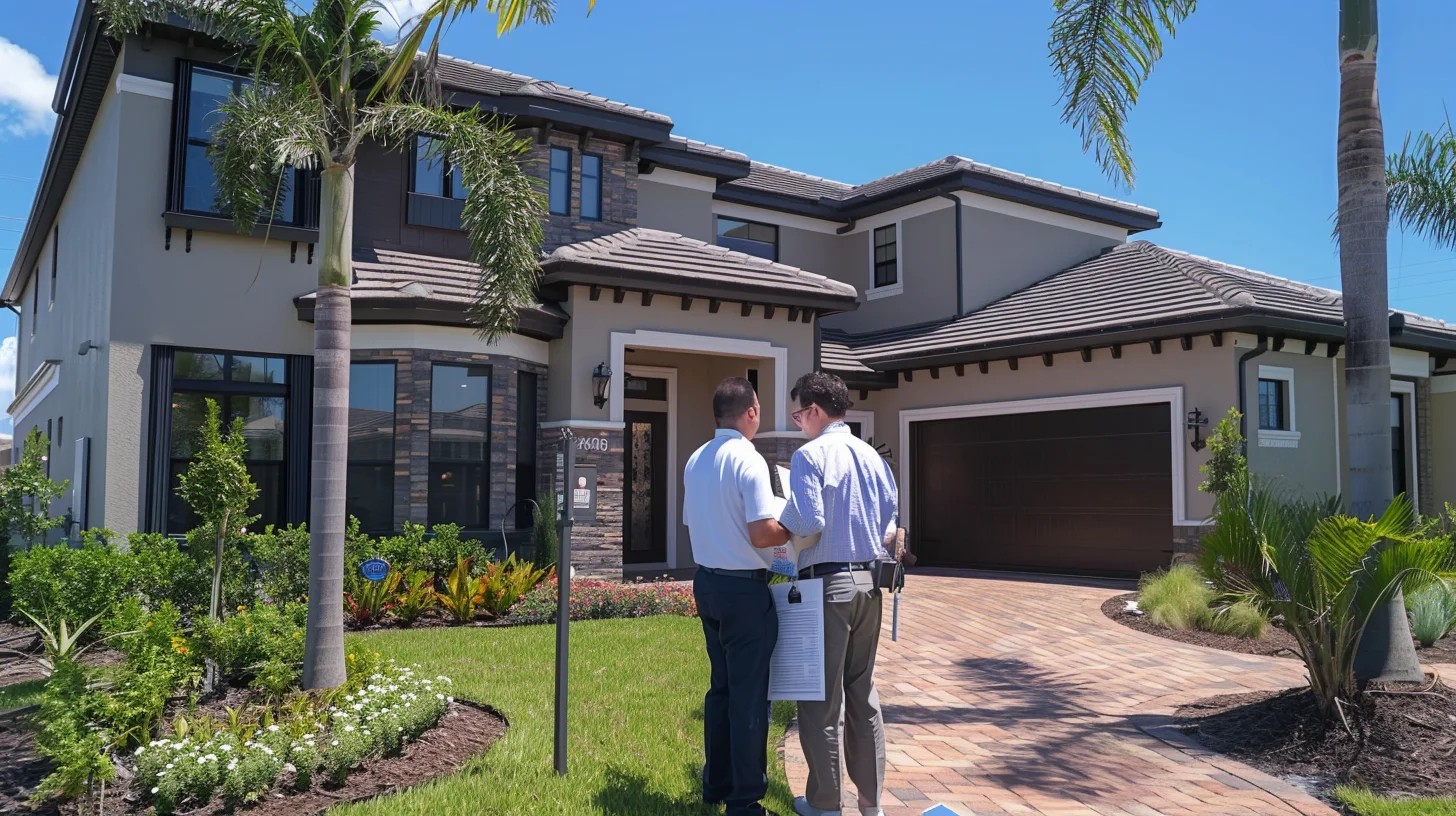
Adjuster inspection — your insurer assigns either an in-house adjuster or an independent adjuster. They inspect the property, photograph damage, and create a scope of loss using estimating software (usually Xactimate). Their estimate is not final.
Review the estimate carefully — compare the adjuster's scope against your contractor's scope line by line. Missing items, incorrect measurements, and low unit prices are common. You have the right to dispute every line.
Supplement if needed — if your contractor's scope exceeds the adjuster's estimate, submit a supplement. Supplements are normal, expected, and paid routinely. Never accept the first estimate as the final word.
Actual Cash Value (ACV) pays the depreciated value of your roof. A 15-year-old roof that costs $18,000 to replace might pay $7,000–$9,000 after depreciation. You cover the rest.
Replacement Cost Value (RCV) pays what it costs to replace the roof today. You pay your deductible; the insurer pays the rest. RCV policies typically pay in two installments: ACV amount first, then the recoverable depreciation holdback once repairs are complete.
Check your declarations page. If you have ACV, upgrading to RCV before the next storm season is one of the most valuable insurance decisions a coastal homeowner can make.
Most Gulf and Atlantic coastal policies have a percentage-based hurricane deductible — typically 2–5% of Coverage A (dwelling value). On a $400,000 home with a 3% deductible, you pay $12,000 before insurance pays anything.
The SBA Home Disaster Loan can cover your deductible at rates as low as 1.75%. See the FEMA & SBA assistance guide →
Every state has a statute of limitations on storm insurance claims. Miss it and you lose your right to payment permanently. Most policies also include a "prompt notice" provision — meaning you must report damage promptly, even if you don't know the full extent. Filing late is the single most preventable way to lose a claim.
| State | Claim Deadline | Insurer Response Window | Bad Faith Penalty |
|---|---|---|---|
| Florida | 1 year from storm date (2023 law change) | Acknowledge 14 days; pay or deny 90 days | Up to $5,000/violation + attorney fees |
| Texas | 2 years from date of loss | Acknowledge 15 days; accept/reject 15 days; pay 5 days | 18% interest + attorney fees (Prompt Payment Act) |
| Louisiana | 3 years from date of loss | Pay or deny within 30 days of proof of loss | 50% of damages + attorney fees |
| Mississippi | 3 years (check policy — some shorter) | Respond within 25 days | 25% penalty + attorney fees |
| Alabama | 6 years (contract statute); check policy | Pay within 30 days of proof of loss | Attorney fees available under bad faith statute |
| Georgia | 5 years (written contract) | Pay within 60 days of proof of loss | Up to 50% bad faith penalty + attorney fees |
| South Carolina | 3 years from date of loss | Acknowledge 15 days; pay or deny 30 days | Attorney fees; treble damages possible |
| North Carolina | 3 years from date of loss | Acknowledge 10 days; pay or deny 30 days | Attorney fees under Unfair Trade Practices Act |
| Virginia | 5 years (written contract) | Respond within 45 days | Attorney fees under bad faith statute |
| Maryland | 3 years from date of loss | Acknowledge 15 days; pay or deny 30 days | Attorney fees; up to $1,000 per violation |
| Delaware | 3 years from date of loss | Pay within 30 days of proof of loss | Interest on delayed payments |
| New Jersey | 6 years (check policy — most require 2 years) | Respond within 10 business days | Attorney fees under Consumer Fraud Act |
| New York | 2 years from date of loss (standard policy) | Acknowledge 15 days; pay or deny 15 days after proof | 2% monthly interest on delayed payments |

Florida's 2023 property insurance reform reduced the storm damage claim filing deadline from 3 years to 1 year from the date of loss. For supplemental claims on existing losses, the window is also 1 year. If you have pending storm damage from any storm in the past 12 months and have not filed, do it today. The deadline is hard and not extendable.
One request. Up to 3 free estimates from licensed local contractors. Takes under a minute.
A supplement is an additional claim submission that adds items or corrects values in the original adjuster estimate. Supplements are completely normal — adjusters expect them and insurers pay them routinely. There is no penalty for submitting one.
To supplement successfully: get your licensed contractor to prepare a line-by-line estimate using the same Xactimate software your insurer uses (most experienced restoration contractors have this). Compare line by line. Submit the differences with supporting documentation — photos, manufacturer specifications, code citations.
When to consider a public adjuster: If your claim is over $15,000, involves significant interior damage, or your insurer has denied items you believe are covered — a licensed public adjuster represents you (not the insurer) and works on contingency (typically 10–15% of the settlement increase). Their expertise in Xactimate and claim negotiation often produces settlements that far exceed their fee.
Public adjusters are licensed in all 13 states we cover. Verify their license before signing any agreement — use your state's department of insurance lookup.
Most homeowner policies contain an appraisal clause — a formal dispute resolution process where you hire an independent appraiser, the insurer hires one, and they agree on an umpire. The umpire's decision is binding. This is faster and cheaper than litigation and frequently produces better outcomes for homeowners with legitimate claims that were underpaid. Read your policy to find this clause.
Yes. You have the right to choose any licensed contractor. Your insurer cannot force you to use a specific contractor. They can require that your contractor be licensed and insured. See the contractor fraud guide for how to vet who you hire.
Submit a supplement. Provide your contractor's line-by-line estimate alongside the adjuster's and request reconciliation of each difference in writing. If the insurer refuses legitimate line items, escalate to a public adjuster or file a complaint with your state insurance commissioner.
Your policy generally does not require multiple bids. The standard is that repairs be done at a reasonable market rate — which your contractor's estimate should reflect. Getting two estimates is good practice but is not typically a policy requirement. Your insurer may request it if they dispute pricing.
This is the most common denial on roof claims. Counter it with: dated before-photos showing the roof was intact before the storm, a licensed contractor's written statement attributing the damage to the specific storm event, and a meteorological certificate documenting wind speeds at your property. Weather data is available from NOAA and from third-party forensic weather services — your contractor or public adjuster can obtain this.
A written contractor scope is the foundation of every successful supplement and appeal. Get yours free — no obligation.
Request Free Inspection →Track every phone call, adjuster visit, and payment in one sheet. Print one per claim — your paper trail if anything gets disputed.
Active leak or major storm damage? We can get someone to you fast — or help you tarp right now.
📞 Request Same-Day Callback 🛖 Emergency Tarping Guide →