Storm Preparedness · Documentation
Pre-Storm Photo Documentation Guide
How to photograph your home before a storm so your insurance claim can't be disputed.
How to photograph your home before a storm so your insurance claim can't be disputed.
Insurance adjusters process thousands of claims after every major storm. The homeowners who get paid fully and quickly are almost never the ones with the most damage — they are the ones with the best documentation. Before photos, serial numbers, condition records, and a home inventory turn a disputed claim into a straightforward one. After photos are evidence. Before photos are proof.
This guide walks you through every room, every category of valuables, and every part of your property exterior — with specific guidance on what to photograph, how to photograph it, where to store the files, and why each item matters to your eventual claim.
📋 Also see: Home Inventory Checklist →The core problem with storm insurance claims is that the insurer never saw your home before the storm. Their adjuster arrives after — after wind has blown shingles off, after water has stained ceilings, after tree limbs have crushed gutters. Their job, partly, is to distinguish between new storm damage and pre-existing conditions. Without before photos, every argument goes in their favor.
Each of these statements, when an insurer makes them, shifts the burden of proof to you. Without before photos, you cannot counter them.
Every adjuster argument collapses against a dated photo that shows the pre-storm condition clearly and unambiguously.
Best: April 1 — May 31
Before Atlantic hurricane season opens June 1. Weather is cooperative for exterior photos. Enough lead time to get a professional roof inspection, review your policy, and buy tarps. Do this every year — conditions change, you buy new things, the roof ages.
Acceptable: Any time before a named storm
If you haven't done your annual documentation and a storm is forming in the Gulf or Atlantic, do it now — even imperfect documentation is better than none. Partial room coverage, a video walkthrough, and exterior photos take 30 minutes.
Never: After the storm
Post-storm documentation is still essential — but it cannot establish pre-storm condition. After photos document damage. Before photos prove it was caused by the storm. You need both. Only one has a deadline you can miss.
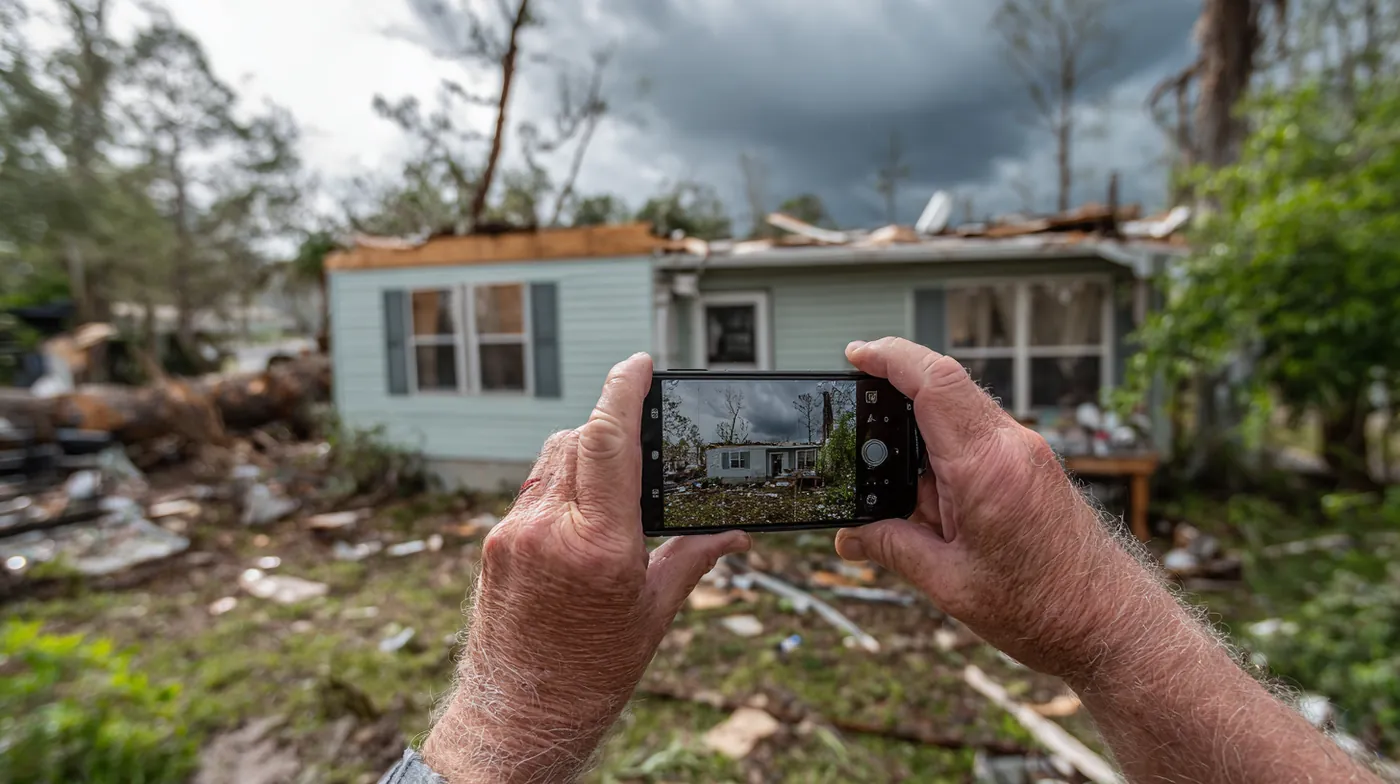
You do not need special equipment. Your smartphone camera is sufficient for every item in this guide. What you do need is a consistent approach that captures the right information in a format your insurer will find credible and usable.

One request. Up to 3 free estimates from licensed local contractors. Takes under a minute.
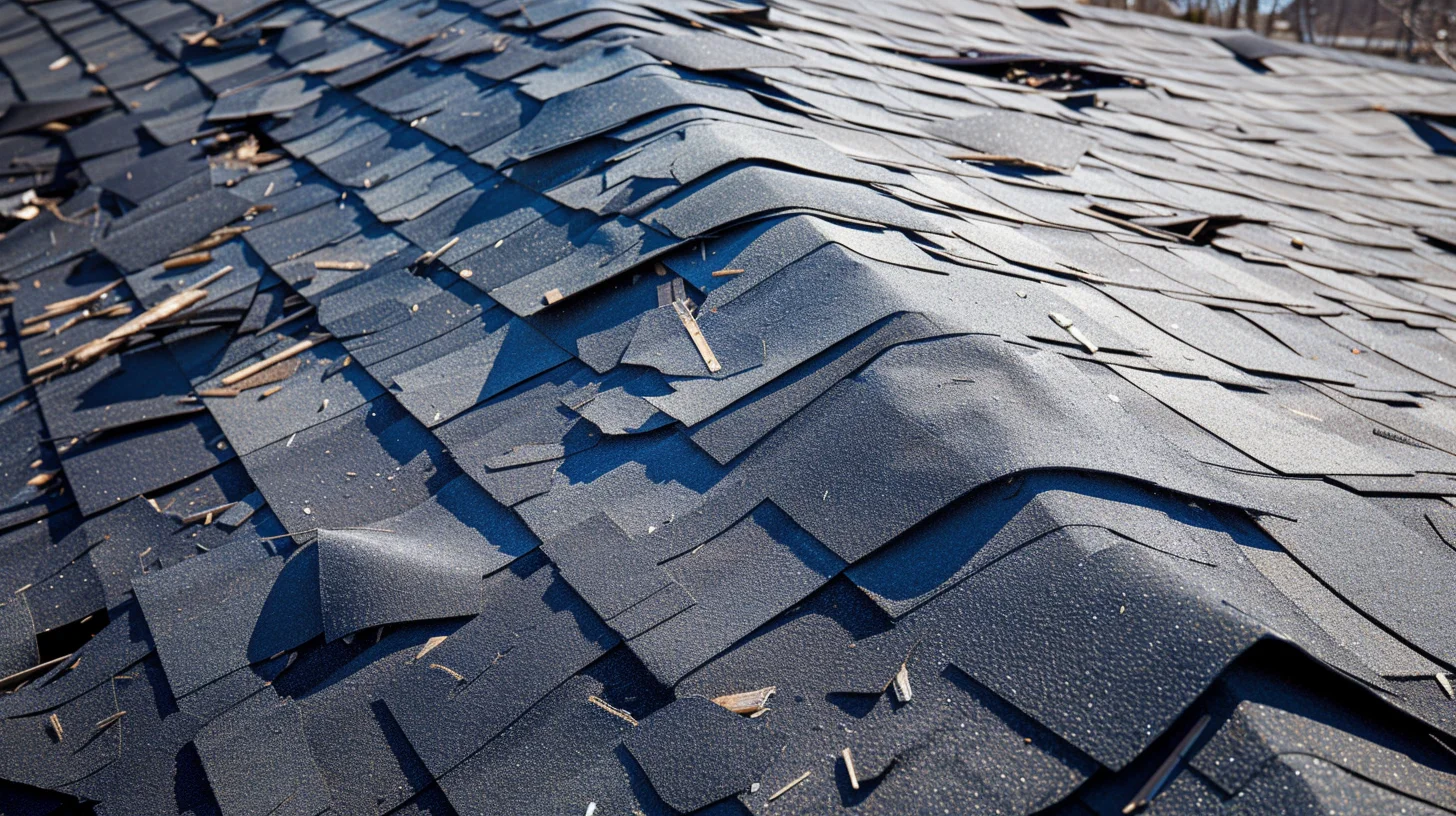
Exterior documentation is the most impactful for storm claims because the exterior is where storm damage originates. Roof photos especially — insurers dispute roof claims constantly. A clear dated photo of an intact, undamaged roof taken before the storm is the most valuable single piece of documentation you can have.
Do not climb your roof for pre-storm documentation. Use a drone if available, a long lens from the ground at multiple angles, or have a licensed roofing contractor take photos during a professional pre-season inspection. Ground-level and eave-level photos are sufficient for most claim purposes. The goal is condition documentation, not a complete inspection.
For every room: start with a wide shot from the doorway that captures the full space, then work methodically. Film a slow video walkthrough first, then photograph specific items. Ceilings matter enormously — they are where water damage is first visible and where insurers will look most carefully for pre-existing conditions.
For each room, capture: four walls, ceiling, floor, all built-ins, all visible appliances or fixtures, and any pre-existing conditions you want documented before the storm.
Standard homeowner policies have sub-limits on certain categories of valuables — jewelry, art, firearms, collectibles, cash, and wine are commonly capped at $1,500–$2,500 regardless of actual value. Knowing this before a storm means you can get scheduled personal property coverage for anything above those limits. Documentation and a current appraisal are both required.
Each piece individually against a white background. Include a ruler for scale. Photograph hallmarks, maker's marks, and stone settings clearly. For high-value pieces, photograph the appraisal document in the same image as the item. Store appraisals in the same cloud folder as the photos.
Standard policy sub-limit: typically $1,500–$2,500 total for jewelry. Get a rider for anything above that. Appraisals should be updated every 3–5 years — replacement values change.
Full front photo plus detail photos of signature, maker's mark, or provenance markings. Photograph any certificates of authenticity or appraisal documents. Note where each piece is hung or displayed with a wide shot establishing location.
Art and collectibles are typically sub-limited to $1,500–$2,500 and require separate scheduled coverage or a floater policy. An appraisal from a qualified appraiser is required for scheduled coverage.
Photograph each firearm showing the serial number on the receiver clearly. Full photo of each gun including action type, barrel length, and any accessories. Storage method — gun safe or locked cabinet — photograph the exterior and note the make and model of the safe.
Standard policy firearm sub-limit: $2,500 for theft, no sub-limit for fire or storm. Scheduled coverage is available and inexpensive for high-value collections.
Photograph full cellar or storage area overview plus individual photos of high-value bottles showing label, vintage, and producer. For collections above $5,000, a wine insurance rider is available through most specialty insurers.
Standard policies generally exclude or severely sub-limit wine and spirits. Standalone wine insurance is available for collections of any size.
When you file a personal property claim for electronics, appliances, or equipment, the insurer may ask for proof of ownership and pre-storm condition. A photo of the serial number plate accomplishes three things simultaneously: it proves the item existed in your home before the storm, it documents its model and specifications for replacement value calculation, and it prevents any dispute about whether the claimed item matches the damaged item.
For every major appliance and electronic: photograph the model and serial number label clearly enough to read every character. Then photograph the item in place in your home. Two photos per item, 30 seconds of work. Do it for everything with a motor, screen, or compressor.
Pre-storm documentation and policy review belong together. You are already thinking about what you own and what it's worth — this is the moment to confirm your coverage matches reality.
Should equal the cost to rebuild your home at current construction costs — not its market value. Construction costs on the Gulf and Atlantic coast have risen 30–50% since 2020. If your Coverage A was set in 2018, you may be significantly underinsured. Ask your insurer for a replacement cost estimator annually.
Most coastal homeowners have a percentage-based hurricane deductible — typically 2–5% of Coverage A. On a $400,000 home with a 3% hurricane deductible, your out-of-pocket before insurance pays is $12,000. Know your number before a storm, not after. It determines how much you'll need to cover before receiving any claim payment.
Actual Cash Value (ACV) policies pay you the depreciated value of your roof — a 15-year-old roof might get 30 cents on the dollar. Replacement Cost Value (RCV) policies pay what it costs to replace the roof today. Check your declarations page. If you have ACV and can afford the premium difference, upgrade before hurricane season.
Most policies cover 50–70% of dwelling value for contents. But sub-limits on jewelry, art, electronics, and firearms may mean your actual valuable items are barely covered. Your home inventory (see companion guide) will reveal the gap between what you own and what you're covered for.
How long and how much your policy covers hotel, meals, and rental if your home is uninhabitable. Standard is 12–24 months at 20–30% of dwelling coverage. After a major storm in a coastal market, rental prices spike 200–400%. Confirm your ALE limit is realistic for your area.
Standard homeowner policies do not cover flood. NFIP or private flood insurance is a separate policy. If you are in a FEMA flood zone and do not have flood coverage, you are one storm surge event from uncovered catastrophic loss. Hurricane wind damage and hurricane surge damage are two separate claims under two separate policies.
Keep a dedicated folder in your cloud storage with this structure. Share it with a trusted family member outside your household so it's accessible if your phone and home are both destroyed.
Name folders with the year and season so you can quickly find the most recent pre-storm documentation after an event. Keep policy documents — declarations page, coverage details, insurer contact info — in the same folder as your photos. After a storm you will need both simultaneously.
Also keep: contractor invoices for any roof work, permits, and inspection certificates. These establish the condition of your roof at the time of last professional work.
A photo-by-photo checklist covering roof, exterior, attic, and personal property — the before-storm record that supports every future insurance claim.
A licensed local roofer documents your current roof condition in writing — the before-storm baseline your insurance claim will stand on. Free. No obligation.
Request Free Inspection →Active leak or major storm damage? We can get someone to you fast — or help you tarp right now.
📞 Request Same-Day Help → 🛖 After-Storm Guide →