New Jersey ranked fourth nationally in the IBHS 2024 building code ratings. The state follows the 2021 IBC/IRC with strong enforcement in coastal Ocean, Monmouth, Atlantic, and Cape May counties. Nor'easters bring 40–70 mph sustained winds multiple times per winter. Hurricane Sandy (2012) caused $36 billion in New Jersey damage — the costliest storm in state history. NJ roofs average 3–5 fewer years of lifespan than manufacturer ratings due to 60+ freeze-thaw cycles annually.
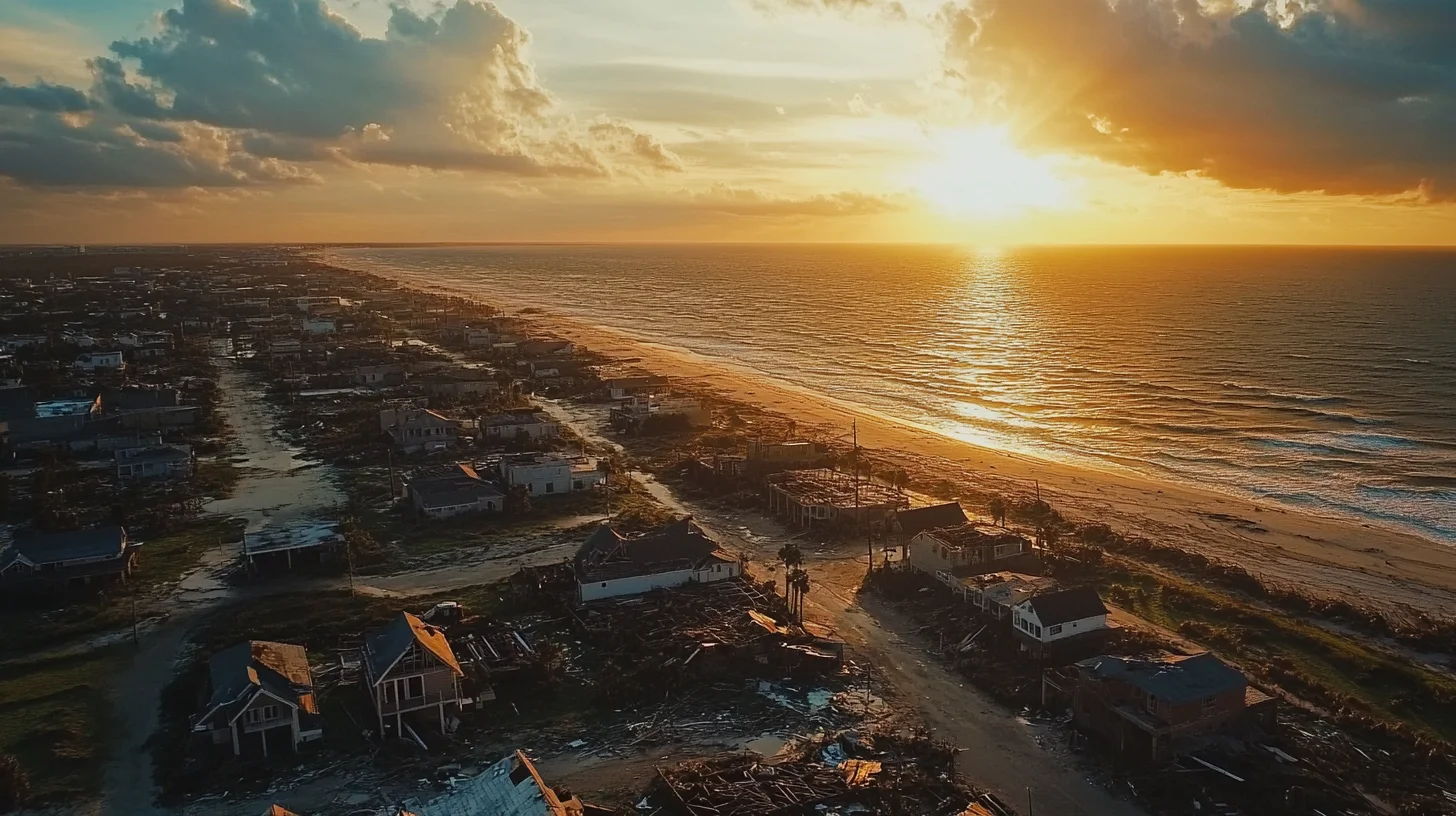
Storm damage on New Jersey roofs
The Jersey Shore and surrounding barrier islands face Atlantic storm exposure from two directions — hurricane season from the south and nor'easters from the northeast.
Hurricane Sandy's 2012 landfall near Atlantic City caused catastrophic damage across Ocean, Monmouth, Atlantic, and Cape May counties — over 346,000 homes were damaged or destroyed. Nor'easters — which strike multiple times annually with 40–70 mph sustained winds and heavy wet snow — generate the highest consistent claim volume in Essex, Bergen, and Monmouth counties. Tropical Storm Ida's 2021 remnants produced historic inland flooding across Bergen and Passaic counties.
New Jersey's 60+ freeze-thaw cycles per winter in inland counties mean ice dams are a significant secondary damage source. Ice dam damage — where backed-up water under shingles penetrates ceilings — is a separate insurable event that a licensed inspection identifies and documents.
🌀 Recent New Jersey storm benchmarks
Sandy (2012) and the 1992 nor'easter are NJ's defining events. Sandy caused $36 billion in NJ damage and 346,000 damaged or destroyed homes. Nor'easters in 2017, 2018, and 2022 each produced thousands of Shore county roofing claims.
Coastal roof types & how they hold up in New Jersey
The right roof for a New Jersey coastal home balances wind rating, cost, and local climate exposure.
Architectural shingle
Most common statewide. Class 4 impact-rated strongly recommended on the Shore. NJ's climate makes premium shingles a better long-term value.
Metal roofing
Excellent for Jersey Shore salt-air and wind exposure. Handles nor'easter winds and ice dam risk better than asphalt in northern NJ winters.
Flat / TPO membrane
Common on older beach house low-slope roofs. Sandy showed how vulnerable flat roofs are to surge flooding and wind uplift.
📋 New Jersey building code overview
New Jersey follows the 2021 IBC/IRC statewide — ranked fourth nationally by IBHS in 2024. Shore counties in Ocean, Monmouth, Atlantic, and Cape May fall under ASCE 7-16 wind-borne debris region requirements with enhanced attachment specifications.
2026 roof repair & replacement ranges
Ranges reflect 2026 quotes from licensed New Jersey roofers. Shore counties and North Jersey run at the higher end.
| Roof work | Typical range | Best for |
|---|---|---|
| Minor storm repair | $300 – $1,500 | Missing shingles, nor'easter damage, ice dams |
| Section / slope replacement | $1,500 – $8,000 | Wind or hail damage, one slope |
| Full roof replacement | $12,000 – $25,000+ | Major storm damage or aging Shore roof |
| Free inspection | $0 | Every homeowner after a storm |
NJ labor rates are among the highest in the region — comparable to Connecticut, slightly below metro New York. Shore market demand spikes sharply after major storms.
Your roofing product or service here. Reach homeowners actively comparing storm-damage roofing options across 13 coastal states. High-intent audience, zero waste.
Storm roof claims in New Jersey
New Jersey homeowner's insurance covers wind and storm damage — Sandy proved how critical documentation and fast filing are.
Sandy-era NJ claims that lacked contemporaneous documentation were frequently disputed. New Jersey now follows strict documentation standards. Ice dam damage is also generally covered if documented promptly before it melts and the evidence disappears. NJ policies typically allow one year from the date of loss to file.
💰 Wind-mitigation discounts in New Jersey
New Jersey homeowners in Shore counties who install Class 3 or Class 4 impact-rated shingles can qualify for insurance premium discounts. Some NJ insurers also offer discounts for documented roof-to-wall connections (hurricane straps). A licensed roofer documents qualifying installation for submission to your insurer.
What to do once it's safe
Stay safe & tarp if needed
Don't climb a damaged roof. Cover active leaks from inside and call a pro for emergency tarping if water is actively entering. Step-by-step tarp guide →
Document everything with dates
Take dated photos of all visible damage — roof surface, ceilings, walls, attic, and any affected belongings. Date and timestamp are critical for claim correlation.
Get a free licensed inspection
A licensed local roofer assesses hidden damage — shingle seal failure, deck saturation, flashing separation — and produces a written report for your claim.
File within your window
Submit your claim promptly with the inspection report. Most New Jersey policies allow one year from the date of loss — but earlier is always stronger.
New Jersey nor'easters strike October through April — no off-season
Atlantic hurricane season runs June–November, and NJ's nor'easter season runs October–April. There is no safe window to delay a roof inspection after a storm. Sandy showed that delayed documentation leads to denied claims. Act immediately.
How to verify a roofer in New Jersey
After any major storm, unlicensed contractors target affected neighborhoods. Here is how to protect yourself.
New Jersey roofing contractors must hold a NJ Home Improvement Contractor (HIC) registration from the Division of Consumer Affairs. Verify at njconsumeraffairs.gov. After Sandy, predatory contractors targeted Shore communities across Ocean and Monmouth counties — always verify NJ HIC registration before signing.
Verify state license
Check the state licensing board before signing anything.
Confirm insurance
Ask for a certificate of liability and workers' comp.
Use a local roofer
Local contractors know your county's permit process and are accountable after the job.
Licensed & insured
we connect you with local New Jersey contractors and stay out of your way — no commission, no pressure.
State licensed
Contractors in our New Jersey network represent themselves as state-licensed. Always verify before signing — check njconsumeraffairs.gov ↗
Fully insured
Liability and workers' compensation insurance confirmed on every contractor.
Local experience
Pros who know New Jersey code, your county's permit office, and local claim patterns.
New Jersey counties we cover
Pick your county for its local storm history — Superstorm Sandy on the shore and in Hoboken, the Irene/Ida/Floyd river floods, the Mullica Hill tornado — plus NJ registration and insurance guidance, wind-vs-flood claim tips, and registered roofers near you.
Get your free New Jersey roof inspection
No cost, no obligation. A licensed local roofer typically reaches out within 24–48 hours.
Request received!
A licensed local roofer will reach out within 24–48 hours to schedule your free New Jersey inspection.