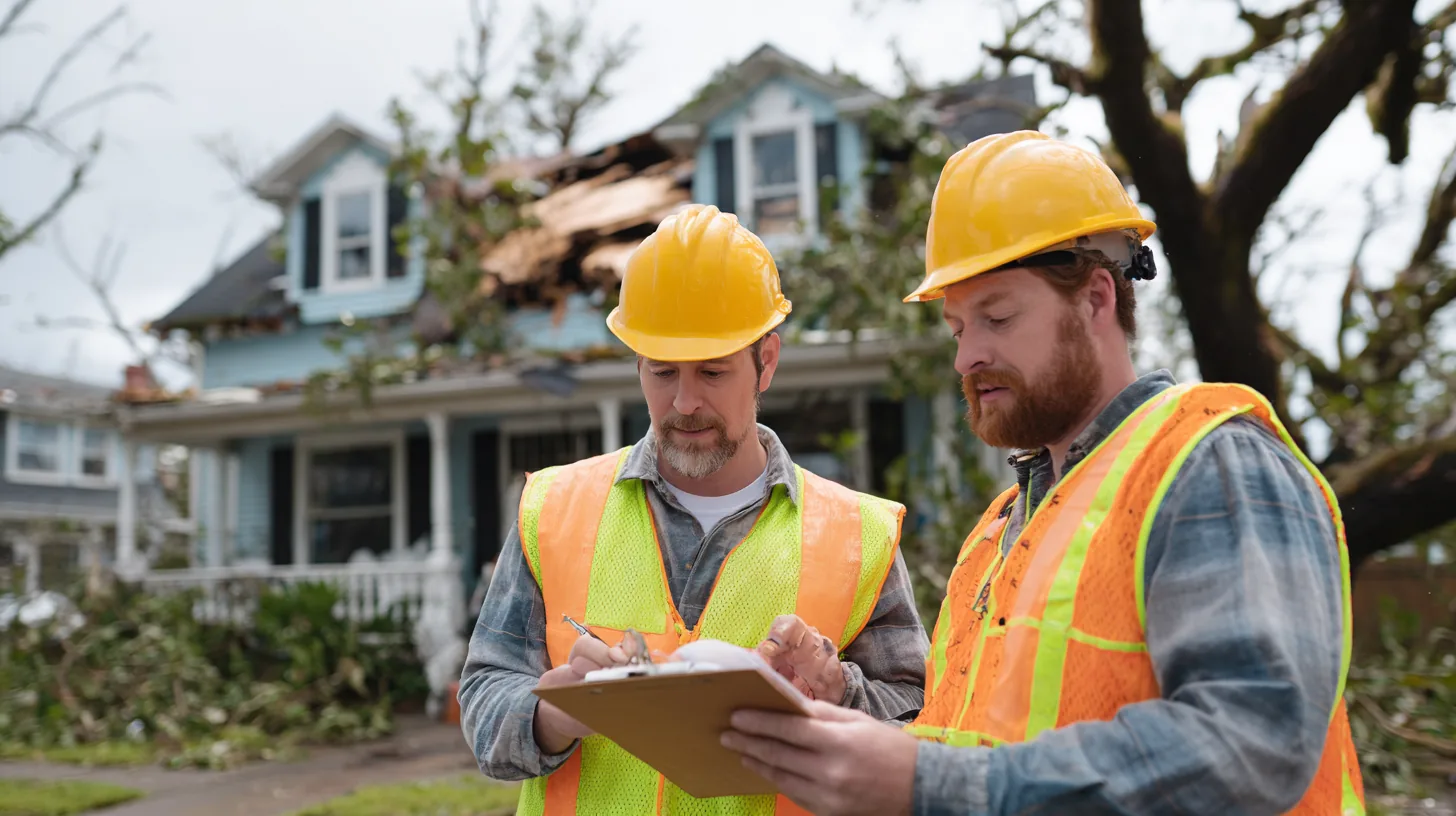
Metal roof storm damage inspection
Storm Recovery · Metal Roofing
Metal Roofing Storm Damage — What You Can't See Can Still Cost You Thousands

Metal roofs don't blow off in a storm. That's the good news. The bad news: the damage is often invisible from the ground — and adjusters know it.

Read the Guide ↓
The Big Difference

Why metal roofs are different after a storm

Asphalt shingles leave obvious evidence — missing pieces, exposed decking, granule loss in gutters. Metal roofs hide their damage. A hailstorm can leave dozens of dents that compromise the coating and accelerate corrosion without a single visible leak for months. Wind events can back out fasteners or separate seams invisibly. Your insurer's adjuster may walk the roof, see no obvious damage, and deny the claim — unless you know what to ask for.

⚠️ Critical timing note: Most states have a 1–3 year window to file a hail damage claim on metal roofing. Coating damage from hail accelerates corrosion — by year 2, what started as a coating claim becomes a full replacement. Document immediately after any hail event even if you see no leaks.
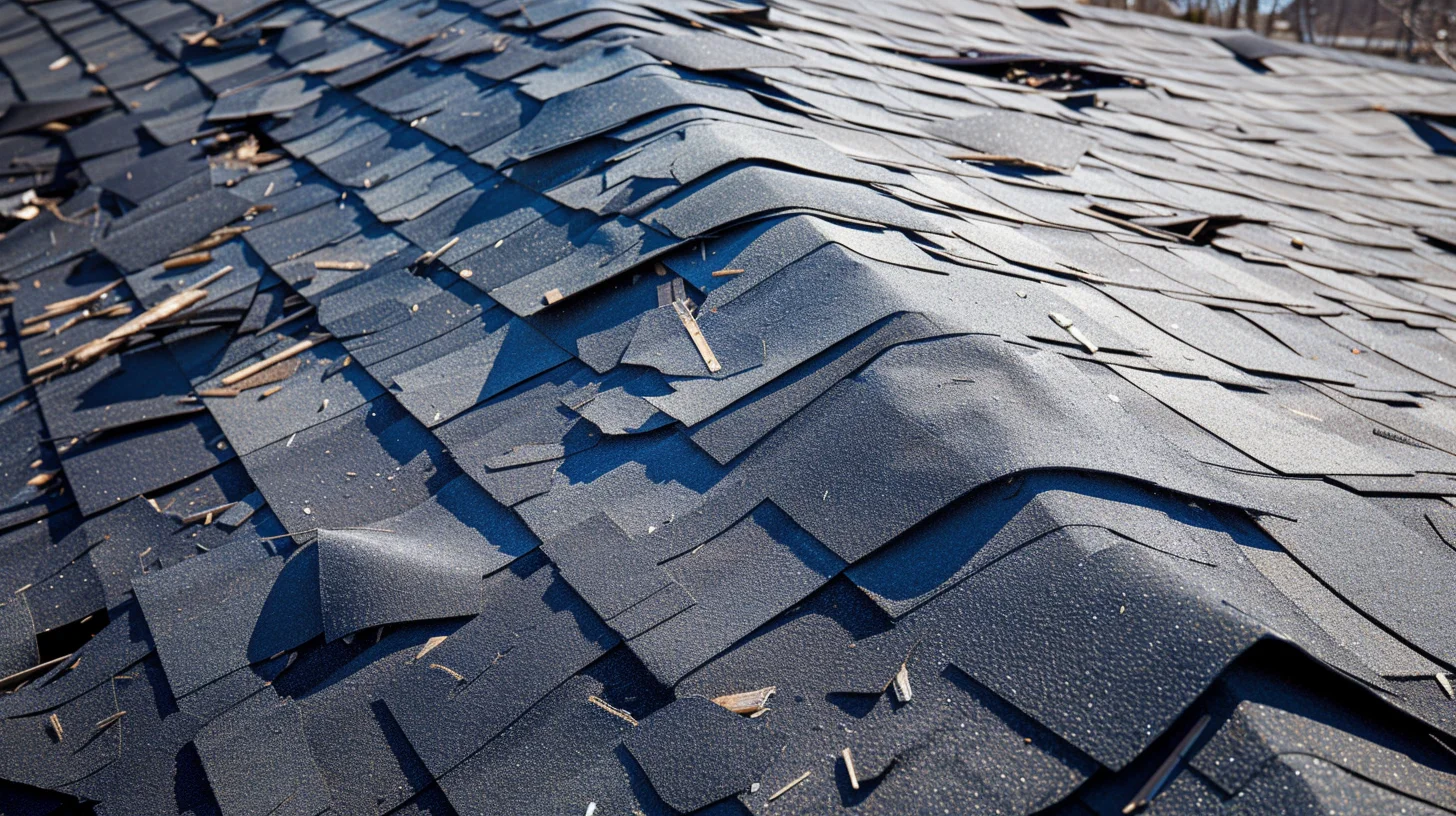
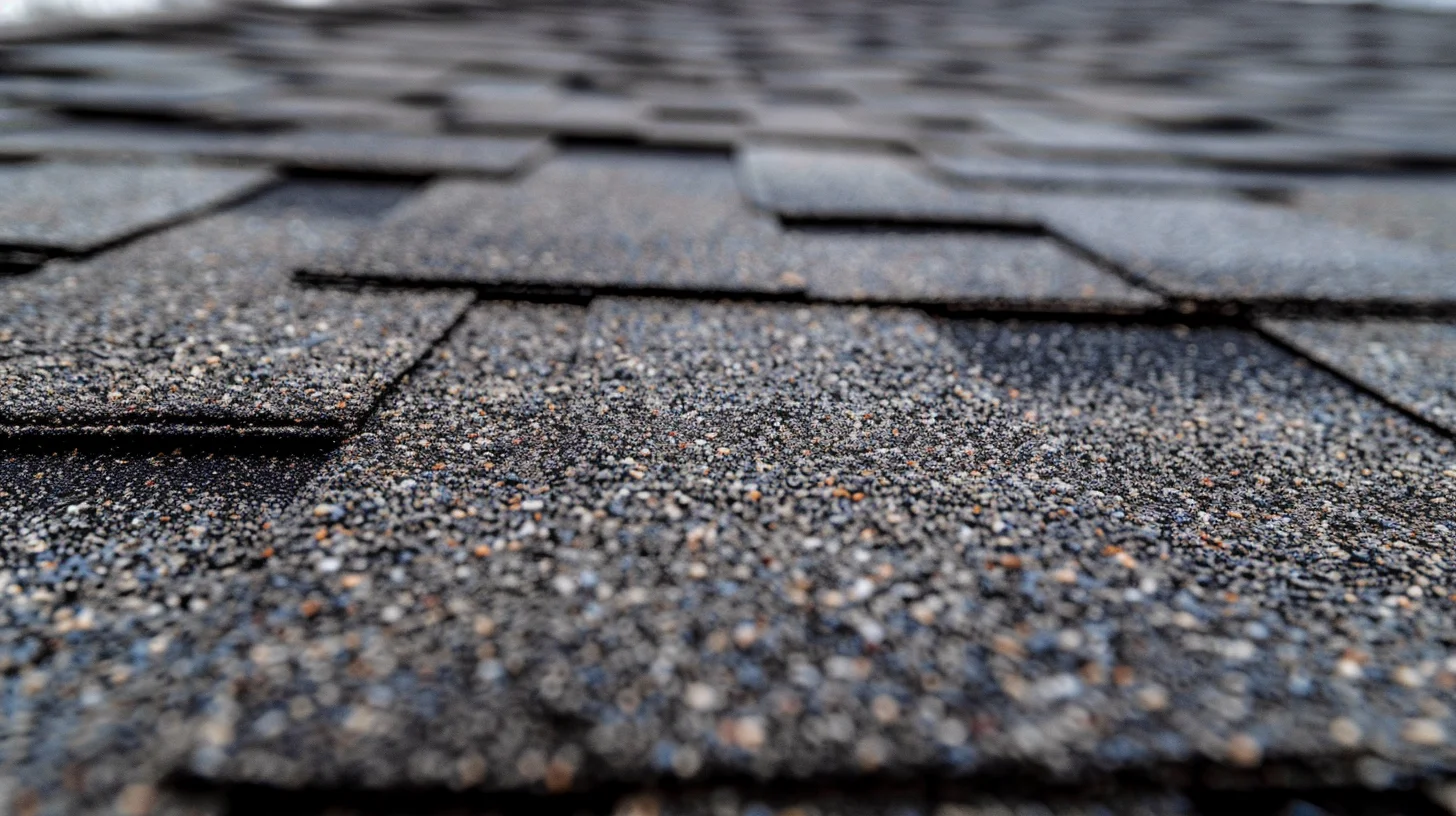
Hail damage on metal roof shingles
What to Look For

The 6 types of metal roof storm damage

Damage Type What It Looks Like Why It Matters Visible From Ground?
Hail dents Circular dimples or spatter marks on panel surface Breaks protective coating, exposes base metal to rust Rarely
Coating damage Chalking, peeling, or bare spots on painted surface Accelerates corrosion significantly; voids manufacturer warranty No
Seam separation Gap or lift at standing seam joints Allows water infiltration at panel edges — major leak risk Sometimes
Fastener back-out Raised screws or nails at panel attachment points Reduces wind resistance; creates water entry points around fasteners No
Panel uplift Buckled, wavy, or raised panels along edges Compromises waterproofing at overlaps; visible leak risk Yes
Flashing damage Bent, lifted, or displaced metal at roof edges, ridges, valleys Primary entry point for water; often missed in adjustments Sometimes
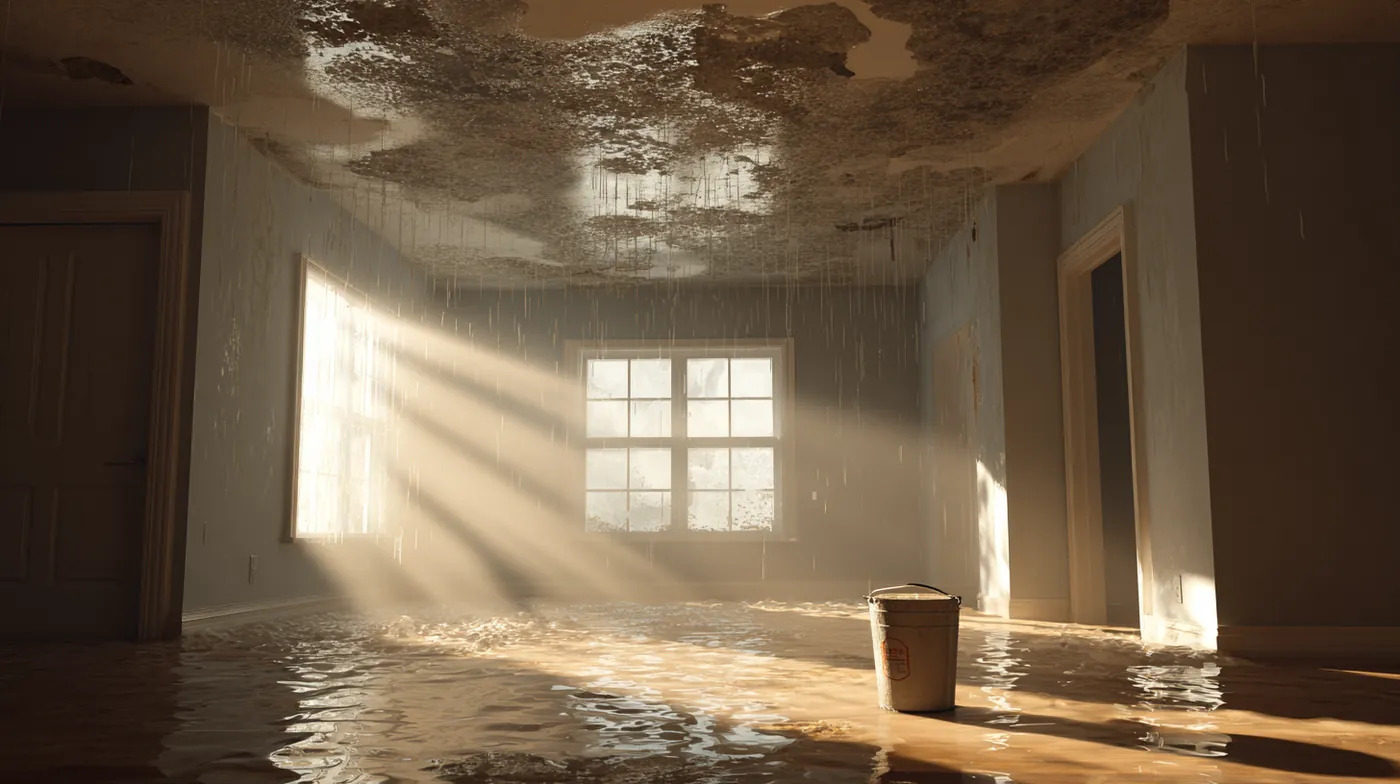
Interior water damage from metal roof leak
Documentation

How to document metal roof damage for your insurance claim

Standard photo documentation is not enough for metal roof claims. You need specific evidence that adjusters and engineers look for.

✅ What to photograph

  • Wide shot of each roof plane
  • Close-up of every dent (coin next to it for scale)
  • All flashing areas — ridges, valleys, edges
  • Every fastener point along a panel run
  • Seams at end laps and side laps
  • Gutters (hail spatter marks on aluminum)
  • AC units, skylights, vents (same hail hits both)
  • Any rust streaking or coating loss

❌ Common mistakes

  • Only photographing from the ground
  • Cleaning the roof before documentation
  • Not getting a contractor inspection before the adjuster visit
  • Accepting "no visible damage" from an adjuster who didn't walk the roof
  • Not requesting a metal roofing specialist for the inspection
  • Missing the claim window (varies by state)
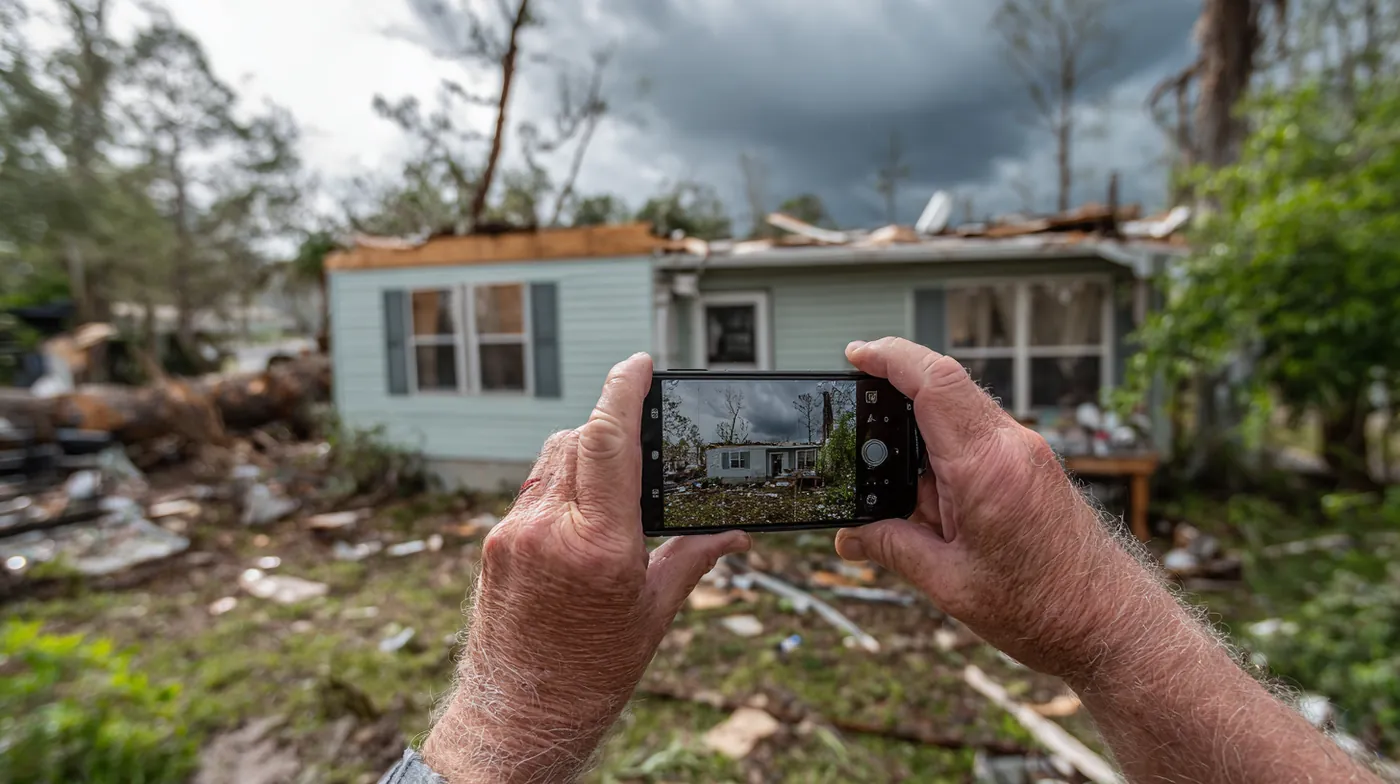
Homeowner documenting metal roof storm damage
Metal Roof Types

How storm damage differs by metal roof type

Not all metal roofs are the same — and damage patterns differ significantly by panel type and installation method.

🏠

Standing Seam

Most common on newer homes. Hidden fasteners mean seam separation and fastener back-out are the primary concerns. Hail dents often require microscopic inspection.

🔩

Exposed Fastener Panels

Screws visible on surface. Fastener back-out and rubber gasket failure are primary water entry points after wind events. Easier to inspect than standing seam.

🪨

Metal Shingles

Mimic asphalt or tile appearance. Hail damage often indistinguishable from normal surface texture. Require manufacturer-certified inspector for insurance claims.

🌊

Corrugated Metal

Common on older Florida homes and outbuildings. Prone to seam separation and panel uplift. Fastener holes elongate over time, accelerating leak risk after wind.

Insurance Claims

Getting your metal roof claim paid

Metal roof claims are denied at higher rates than shingle claims because damage is less obvious. These steps dramatically improve your outcome.

1
Get a metal roofing specialist — not a general contractor

Standard roofers often miss metal-specific damage. Ask specifically for someone with metal roofing insurance claim experience. Their written scope of damage is your most important document.

2
Request an Xactimate estimate from your contractor

Xactimate is the software insurers use to price claims. A contractor who can provide an Xactimate estimate speaks the adjuster's language and is far harder to lowball.

3
Push back on functional damage vs cosmetic damage

Insurers often classify hail dents as "cosmetic" to avoid full replacement costs. In most states, coating damage that accelerates corrosion is functional damage — not cosmetic. Document corrosion risk explicitly.

4
If denied, supplement or hire a public adjuster

Metal roof denials are commonly reversed on supplement. A public adjuster who specializes in metal roofing claims works on contingency — they only get paid if you do.

🔍 Get a metal roofing specialist to inspect your roof

Free inspection, written damage report, no obligation to hire. Serving 13 coastal states.

Get Free Inspection →
State-by-State

Metal roof storm claims across our 13 states

Insurance requirements, claim windows, and building codes differ significantly across our coverage area. Here's what metal roof owners in each region need to know.

🌴 Florida

Florida's high-velocity hurricane zone (HVHZ) in Miami-Dade and Broward counties requires metal roofing systems to meet specific Florida Building Code impact and wind ratings. Metal roofs in these counties must be NOA (Notice of Acceptance) approved. Hail cosmetic damage exclusions are common in Florida policies — push back with a corrosion risk argument.

🤠 Texas

Texas sees some of the most severe hail activity in the nation — the DFW metroplex alone averages over 100 hail events annually. Texas has strong consumer protections for roofing claims. The Texas Department of Insurance has specific guidance on metal roof hail damage assessment. Cosmetic damage exclusions are widespread but can be challenged if functional damage is documented.

🦐 Gulf Coast (LA, MS, AL)

Louisiana, Mississippi, and Alabama see significant hurricane wind damage to metal roofing systems — primarily seam separation and fastener back-out from sustained high winds. Salt air corrosion accelerates existing hail coating damage dramatically in coastal areas. Document corrosion acceleration as part of any hail claim within 50 miles of the Gulf.

🌊 Atlantic Coast (SC–NY)

The Atlantic coastal states from South Carolina through New York deal with nor'easters as much as hurricanes — sustained winds that stress seam integrity and fastener systems differently than short-duration hurricane winds. Maryland and Virginia have significant hail exposure. New Jersey and New York see more freeze-thaw cycling that works on metal seams over winter.

The FORTIFIED Program

How FORTIFIED certification changes metal roof claims

The FORTIFIED Home program — administered by the Insurance Institute for Business and Home Safety (IBHS) — sets construction standards that go beyond building code. For metal roofing specifically, FORTIFIED Silver and Gold designations require enhanced fastening patterns, specific seam geometry, and continuous load path connections.

A FORTIFIED-certified metal roof does two things for you after a storm: it dramatically reduces the likelihood of wind damage in the first place, and it provides documented construction specifications that make any damage claim significantly harder to dispute. Several Gulf states — including Alabama and Louisiana — offer insurance premium discounts of 20–40% for FORTIFIED designation.

If you are having a metal roof installed after a storm claim, ask your contractor specifically about FORTIFIED certification. The incremental cost is modest — and the insurance savings often pay it back within 3–5 years.

Maintenance Matters

What insurers look for in your maintenance history

One of the most common reasons metal roof claims are partially denied is maintenance neglect. If an adjuster can point to existing corrosion, sealant failure at penetrations, or clogged gutters causing back-up onto the metal surface, they will attribute a portion of the damage to neglect rather than the storm event.

📅

Annual inspection

Walk the roof or hire a contractor annually. Document condition with dated photos. This creates a baseline that isolates storm damage.

🔧

Sealant maintenance

Sealant at penetrations, stack boots, and end laps needs inspection every 5–7 years. Cracked sealant is a maintenance issue insurers cite to reduce payouts.

🍂

Debris clearance

Metal roofs collect debris at valleys and gutters. Standing debris traps moisture and accelerates corrosion. Clear twice yearly in tree-heavy areas.

🔩

Fastener check

On exposed-fastener panels, check rubber gaskets every 5 years. Dry, cracked gaskets are a maintenance issue — not storm damage — in an adjuster's eyes.
🚨 Emergency Tarping
🚨 Emergency Help ×

Active leak or major storm damage? We can get someone to you fast — or help you tarp right now.

📞 Request Same-Day Callback 🛖 Emergency Tarping Guide →
Tap the red tab on the right edge to open or close this panel anytime.