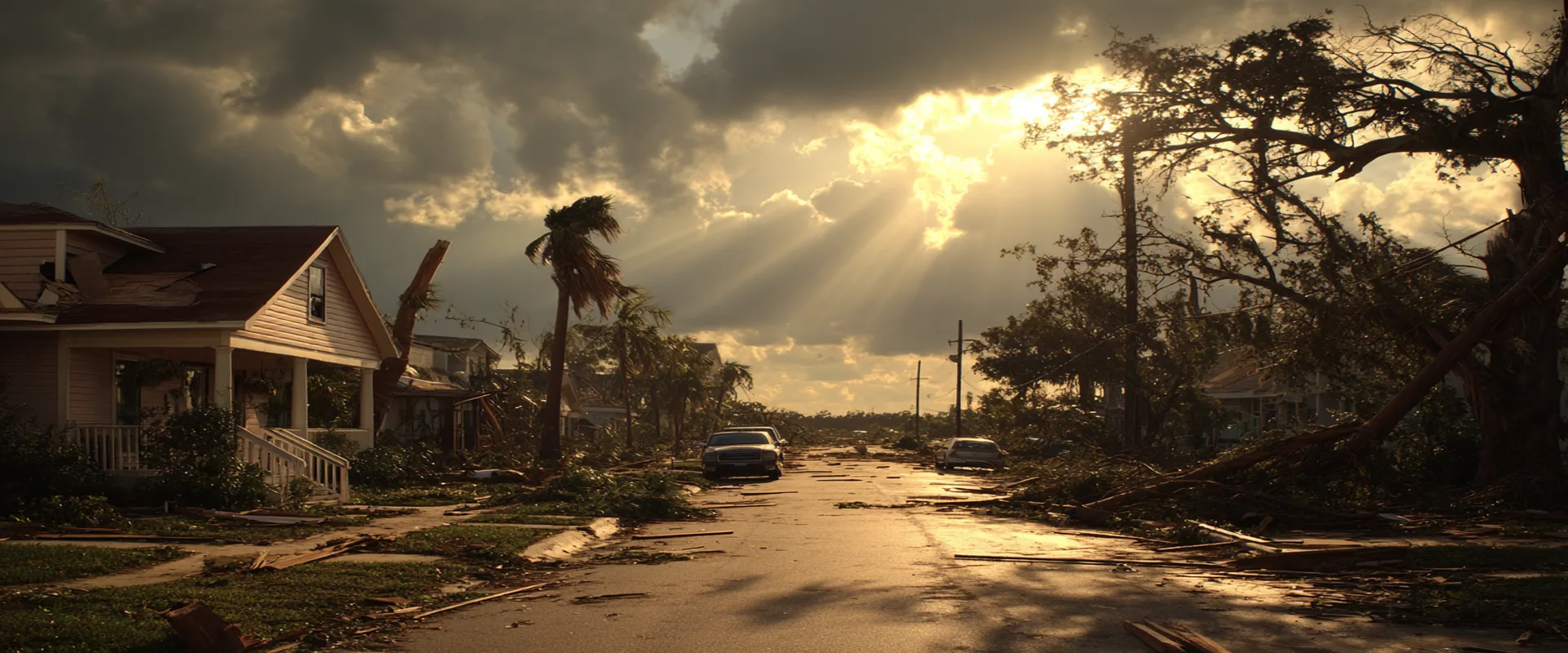
What to Do <span class=After a Storm Damages Your Roof" loading="eager" fetchpriority="high" style="position:absolute;inset:0;width:100%;height:100%;object-fit:cover;z-index:0">
Storm Recovery · First Steps
What to Do After a Storm Damages Your Roof

The first 72 hours after storm damage are critical. Here's exactly what to do — and what to avoid.
The Hours That Determine Your Recovery

What to do after a storm damages your roof — the first 72 hours

The decisions you make in the first 72 hours after storm roof damage determine how quickly you recover, how fully you get paid, and whether secondary damage — mold, structural failure, electrical hazards — compounds the original problem. This guide covers every step in the right order.

First Hour — Life Safety

First hour — life safety before everything else

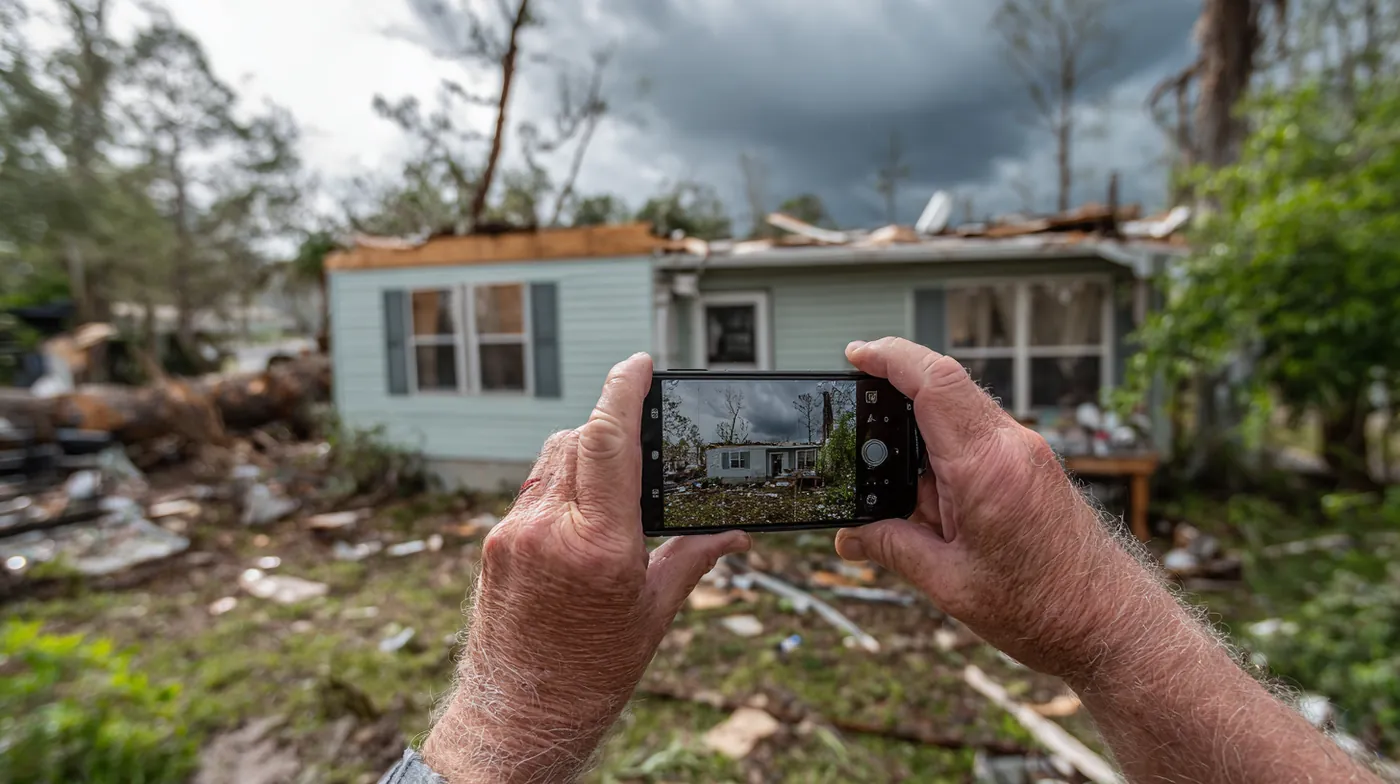
Homeowner documenting storm roof damage with phone camera

🚨 Immediate hazards to check

  • Structural compromise — do not stay under a compromised ceiling. Wet drywall collapses without warning. Evacuate any room where ceiling sag, cracking, or buckling is visible.
  • Gas leak — if you smell gas, leave immediately without turning any switches on or off. Call your gas company from outside.
  • Electrical hazard — water near outlets, panels, or ceiling fixtures is an active electrocution risk. Turn off circuits to affected areas at the breaker. See the electrical safety guide →
  • Generator placement — do not use a generator inside or in an attached garage. Carbon monoxide kills faster than storm damage. See the generator safety guide →
  • Downed power lines — treat every downed line as live. Stay 30 feet away and call 911.

📸 Document before you touch anything

Your phone camera is your most important tool in the first hour. Before moving anything, covering anything, or cleaning anything — photograph and video every affected area.

  • All four sides of the exterior — full elevation shots
  • Roof from the ground at multiple angles
  • Every interior room with any visible damage — ceiling first
  • Attic interior — roof deck condition
  • Any neighbor's tree or debris that caused damage — photograph the source before anything is removed
  • Screenshot your local weather service alert — ties damage to the weather event

After photos document damage. Before photos prove it was caused by the storm. The insurer never saw your home before — your documentation is their only baseline.

Hours 2–6

Hours 2–6 — stop further damage and open the claim

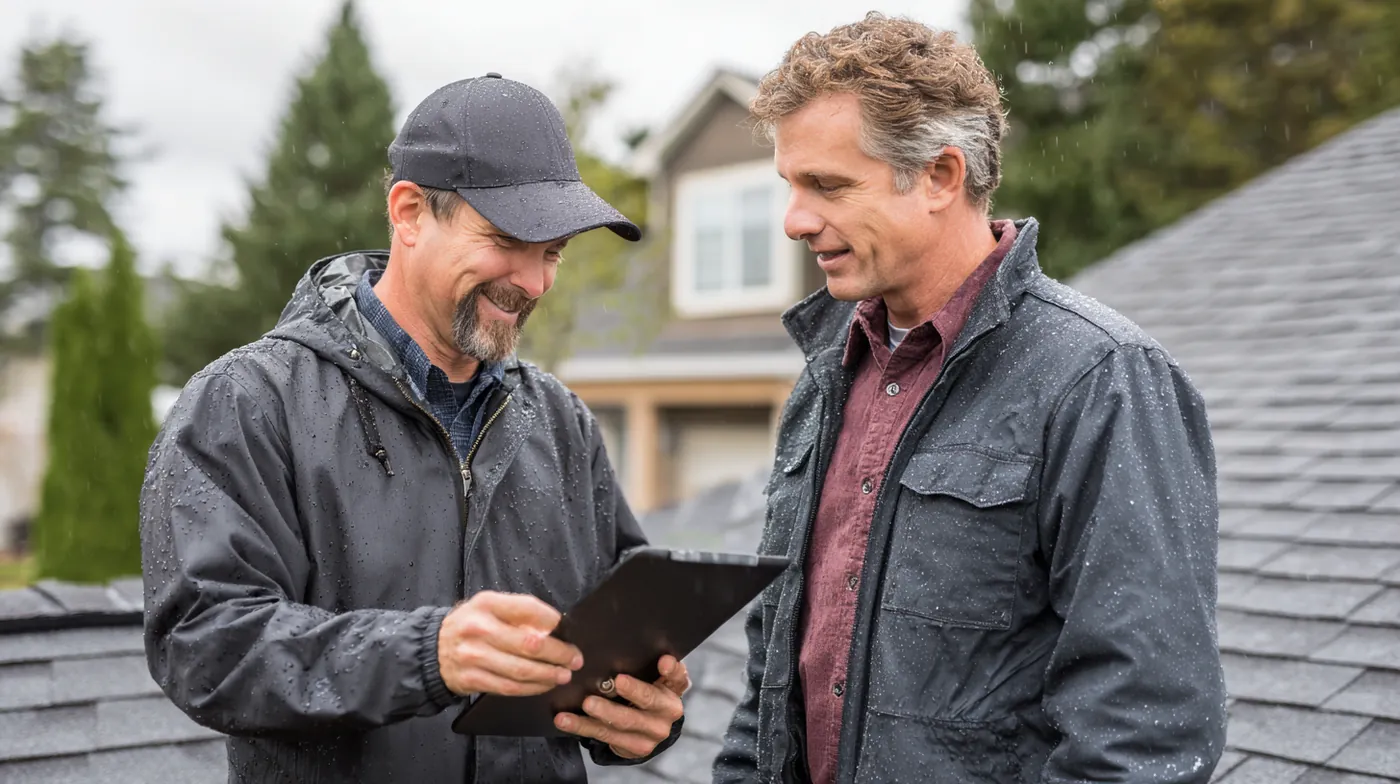
Insurance adjuster reviewing storm damage claim

Get emergency tarping on the roof

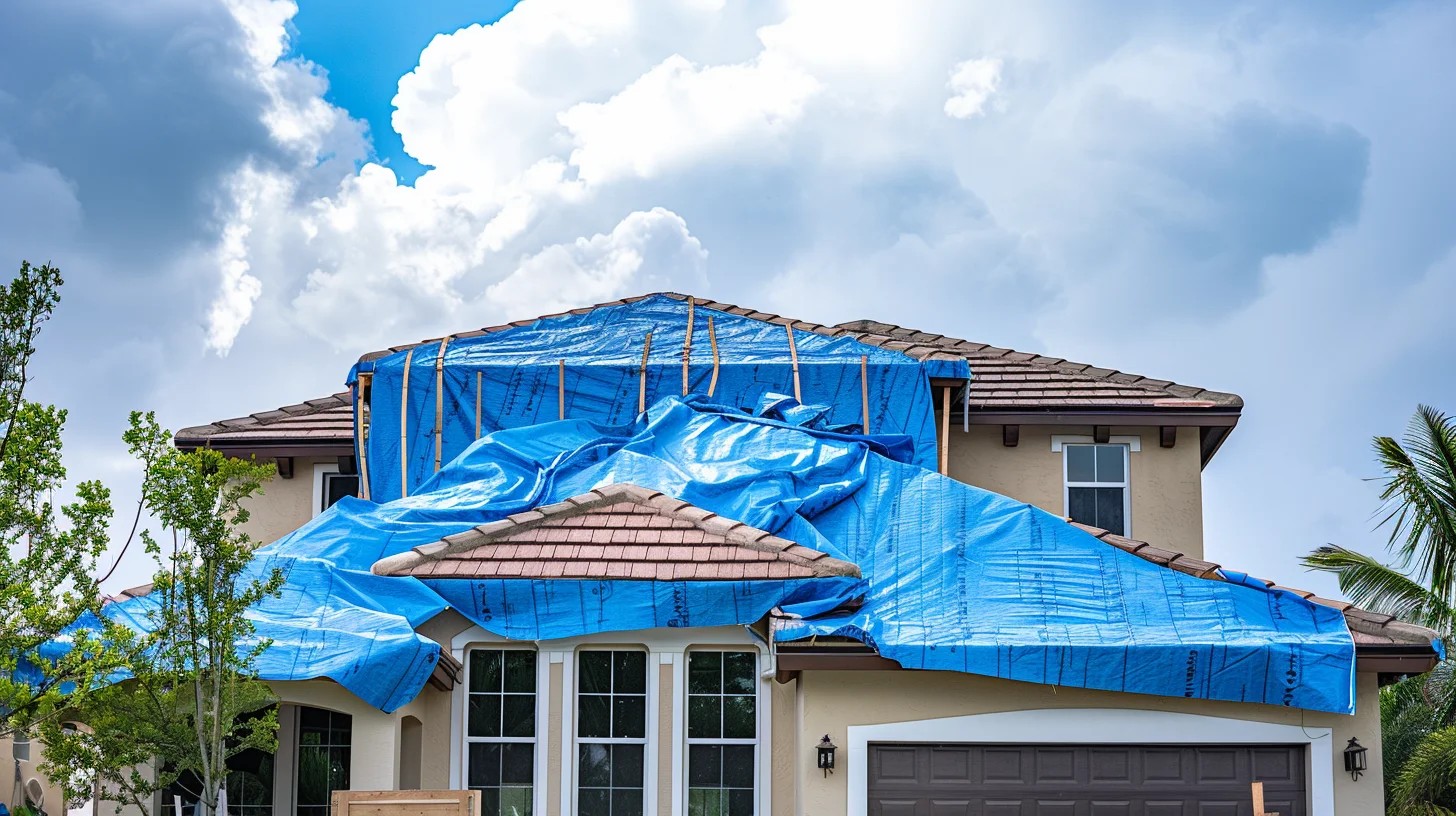
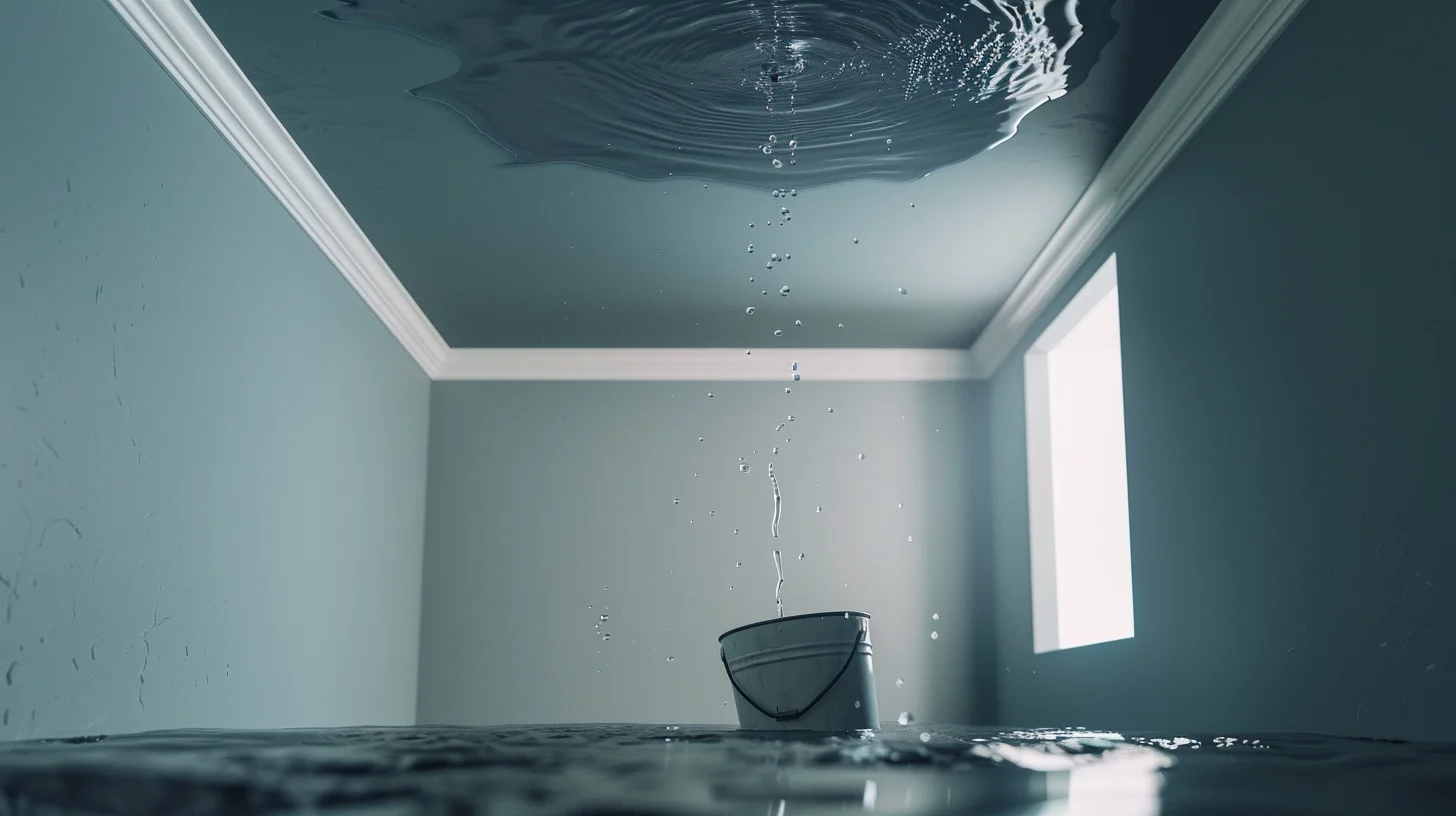
Every hour your roof is open is an hour of water intrusion, mold clock running, and secondary damage accumulating. Emergency tarping is the single most important mitigation action — and the cost is fully reimbursable under your homeowner's policy.

We connect you with licensed local roofers for emergency response across all 13 Gulf and Atlantic coastal states. Request emergency tarping →

Keep every receipt for emergency protective measures — tarps, fans, buckets, dehumidifiers. Every dollar spent preventing further damage is reimbursable under your policy's mitigation provision.

Call your insurer — same day

File your claim the same day damage occurs. You get a claim number even before an adjuster is assigned. This establishes your reporting timeline and starts the clock on your insurer's state-mandated response obligations.

When you call, ask specifically:

  • What is my hurricane deductible amount in dollars?
  • Is emergency tarping covered as a mitigation expense?
  • Is my ALE (Additional Living Expenses) coverage active?
  • What is the adjuster's expected inspection timeline?
  • What documentation do you need from me?
Days 1–3
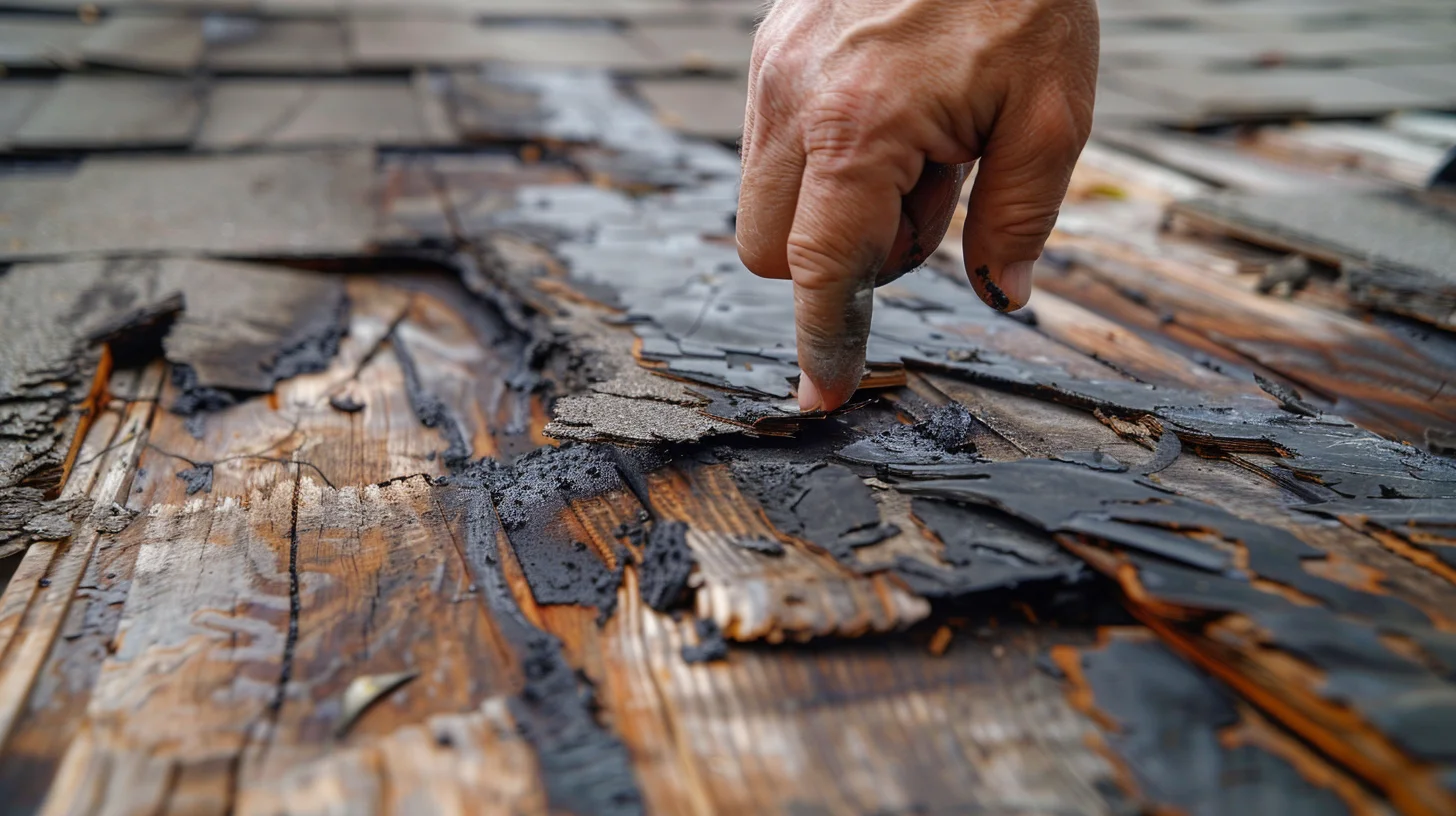
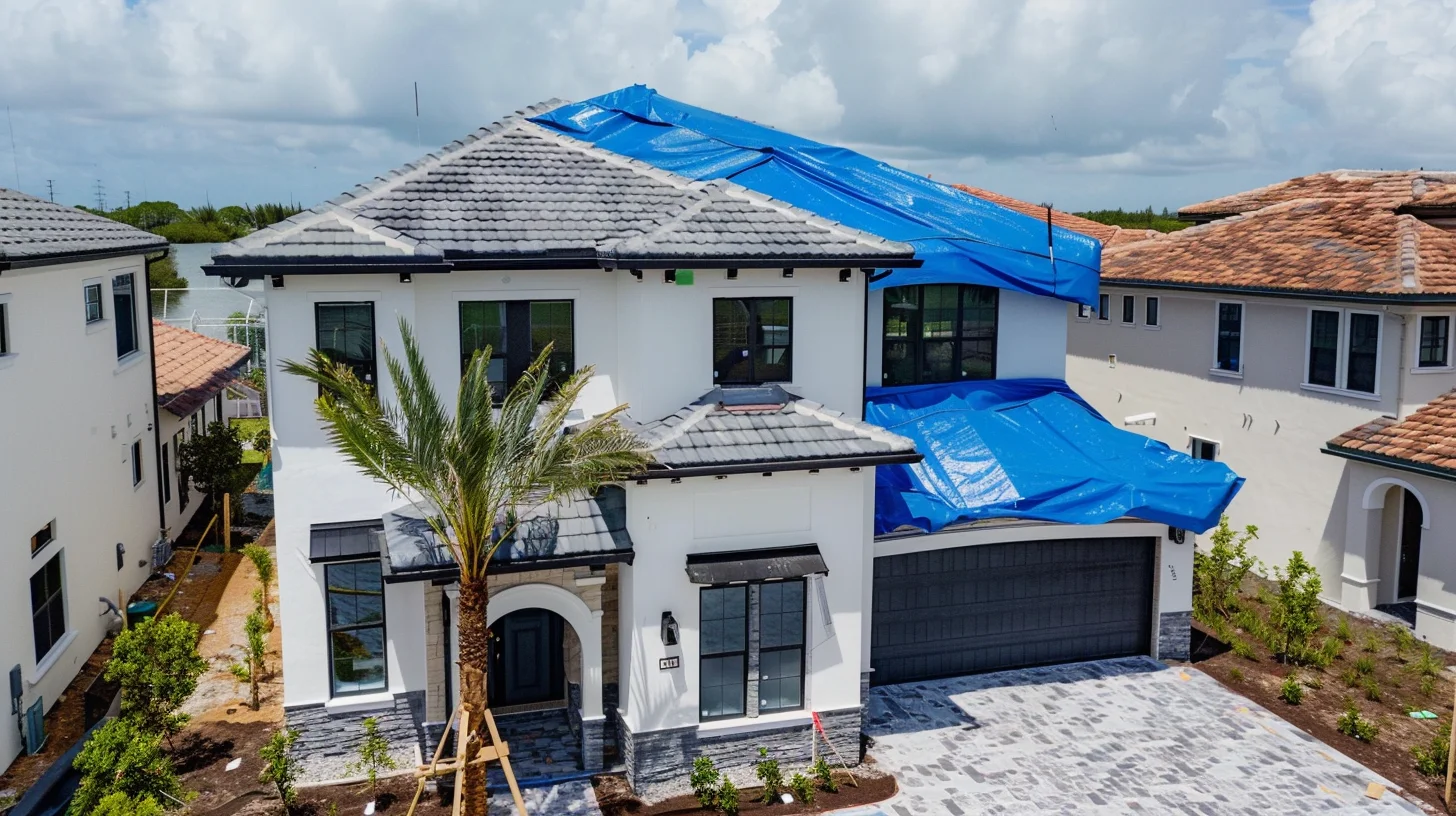
Blue tarp on Florida home after storm damage Water damaged roof decking discovered during repair
Free — No Obligation

Get a licensed roofer to inspect your roof

One request. Up to 3 free estimates from licensed local contractors. Takes under a minute.

Days 1–3 — dry out, protect the claim, verify contractors

Emergency tarp protecting storm damaged roof during recovery

💧 Start drying immediately

Mold colonizes within 24–48 hours in coastal climates. Run every dehumidifier and fan available. Pull up wet rugs. Open interior doors for airflow. See the complete drying out guide → for the full protocol with and without power.

🔍 Verify your contractor

Storm chasers — unlicensed contractors — arrive in neighborhoods within hours of a hurricane. Before signing anything: verify their state license online, confirm general liability and workers comp insurance, and never sign an AOB agreement. Full guide: avoid contractor fraud →

📋 Keep a written log

Write down every action you take: who you called, what time, what was said. Insurance disputes turn on documentation. "I told them" without a written record is worth nothing. This log becomes your claim timeline.

If You Cannot Stay

Additional Living Expenses — your insurer pays for you to leave

What ALE covers

If your home is uninhabitable due to storm damage, your homeowner's policy's Additional Living Expenses (ALE) coverage pays for the difference between your normal living costs and the elevated costs of temporary housing. This includes:

  • Hotel costs above what you normally spend on housing
  • Short-term rental while repairs proceed
  • Restaurant meals above your normal food budget (if you cannot cook)
  • Laundry costs if you normally do it at home
  • Pet boarding if your hotel does not accept pets
  • Storage unit costs for belongings removed from the damaged home

Keep every receipt from the day of the storm forward. ALE is reimbursed against documented expenses — receipts without explanation and undocumented claims are denied.

How to activate ALE

Call your insurer and say explicitly: "My home is uninhabitable and I need to activate my Additional Living Expenses coverage." Ask for a written confirmation of the coverage limit and duration (standard is 12–24 months at 20–30% of Coverage A).

If you have vulnerable household members — children, elderly, asthmatic, or immunocompromised — a home with active mold risk may be uninhabitable for your specific household even if a healthy adult could remain. Document the health vulnerability and the mold risk when making the ALE claim. See the mold health risks guide →

ALE is one of the most underused coverages in a storm claim. Most homeowners don't know to ask for it until an adjuster mentions it — sometimes weeks after the storm. Ask on day one.

The Evidence That Wins

What documentation actually changes the outcome of a claim

The adjuster's job is partly to distinguish storm-caused damage from pre-existing conditions. Without documentation, every ambiguous item goes in the insurer's favor. Here is what makes the difference:

Before photos (highest value)

Dated photos taken before the storm show the adjuster exactly what your property looked like pre-damage. An adjuster who claims "that ceiling stain looks pre-existing" cannot make that argument against a photo showing a clean ceiling taken three months earlier. See the full documentation guide →

Meteorological evidence

A screenshot of the National Weather Service warning for your zip code on the storm date, plus a weather station record of wind speeds and precipitation at your property, ties your damage to the specific storm event. NOAA data is publicly available. Third-party forensic weather services (used by contractors and public adjusters) provide certified reports.

Contractor's written scope

A licensed contractor's line-by-line written estimate using industry-standard Xactimate pricing is the document your claim stands on. It establishes scope, materials, and pricing that the adjuster must reconcile against their own estimate. Any difference becomes your supplement. This is why getting the inspection done immediately matters — it creates your evidence before anything changes.

The 5 Costly Mistakes

What people do wrong in the first 72 hours

  • Waiting to call the insurer. Every state has a claim filing deadline — Florida is now 1 year; others range from 1–5 years. But "prompt notice" clauses can be used against you if you wait weeks. Call the same day.
  • Cleaning up before documenting. Every cleanup action before documentation is ammunition for a lower settlement. Photograph everything before touching anything.
  • Hiring the first contractor who knocks on the door. Storm chasers arrive within hours of a major storm. Verify every contractor before signing anything.
  • Signing an AOB agreement. Assignment of Benefits hands your insurance claim rights to the contractor. You lose control of your own claim. In Florida this is heavily regulated — in all states it is a significant risk.
  • Accepting the first adjuster estimate as final. First estimates are routinely low. Missing items, incorrect measurements, and omitted overhead and profit are common. Supplements are normal — never accept without reviewing every line.
Days 3–14

Days 3–14 — what to watch for as recovery progresses

🔍 Watch the adjuster estimate

When your adjuster's estimate arrives, compare it line by line against your contractor's scope. Missing items are common — interior damage, gutters, code upgrades, overhead and profit. You have the right to supplement. Never accept the first number as final.

See the full insurance claims guide → for how supplements work.

🏦 If you have a mortgage

Your insurance check will be made payable to you AND your mortgage lender. Your lender controls the funds and releases them in draws tied to construction milestones. This surprises most homeowners and delays repairs by weeks.

See the mortgage escrow guide → to navigate this faster.

🆘 If damage is extensive

If your county is part of a presidential disaster declaration, FEMA Individual Assistance grants and SBA Home Disaster Loans up to $200,000 at 1.75% interest are available — regardless of insurance status. Most homeowners never apply.

See the FEMA & SBA guide →

Special Situations

When the damage involves more than just weather

🌳 A neighbor's tree fell on your roof

Your insurance pays — not your neighbor's. This surprises almost everyone. If the tree fell during a storm it is an Act of God and your homeowner's policy covers it under falling objects. Your neighbor is only liable if you can prove they knew the tree was hazardous and ignored it.

See the full guide: whose insurance pays when a neighbor's tree falls on your roof →

💧 If you are a renter

Your landlord's insurance covers the building. Your renter's insurance covers your personal property. If your unit is uninhabitable, FEMA housing assistance and SBA personal property loans (up to $40,000) are available to renters — you don't own the building but you still qualify. Contact your landlord in writing, document your unit's condition, and file a FEMA claim if your county is declared.

FEMA & SBA assistance for renters →
Everything You Need

The complete storm recovery guide library

Need a roofer right now?

Free inspection, same-day emergency tarping available across all 13 Gulf and Atlantic coastal states.

🚨 Request Same-Day Help →
Free Downloads — No Sign-up Required

Take These Tools With You

Download our full set of free PDFs — contractor checklist, 25 questions to ask, claim tracker, estimate comparison sheet, and pre-storm documentation checklist — all free, no email required.

⬇ Browse All Free Downloads →

→ View Storm Alerts & Warnings

🚨 Emergency Tarping
🚨 Emergency Help ×

Active leak or major storm damage? We can get someone to you fast — or help you tarp right now.

📞 Request Same-Day Callback 🛖 Emergency Tarping Guide →
Tap the red tab on the right edge to open or close this panel anytime.