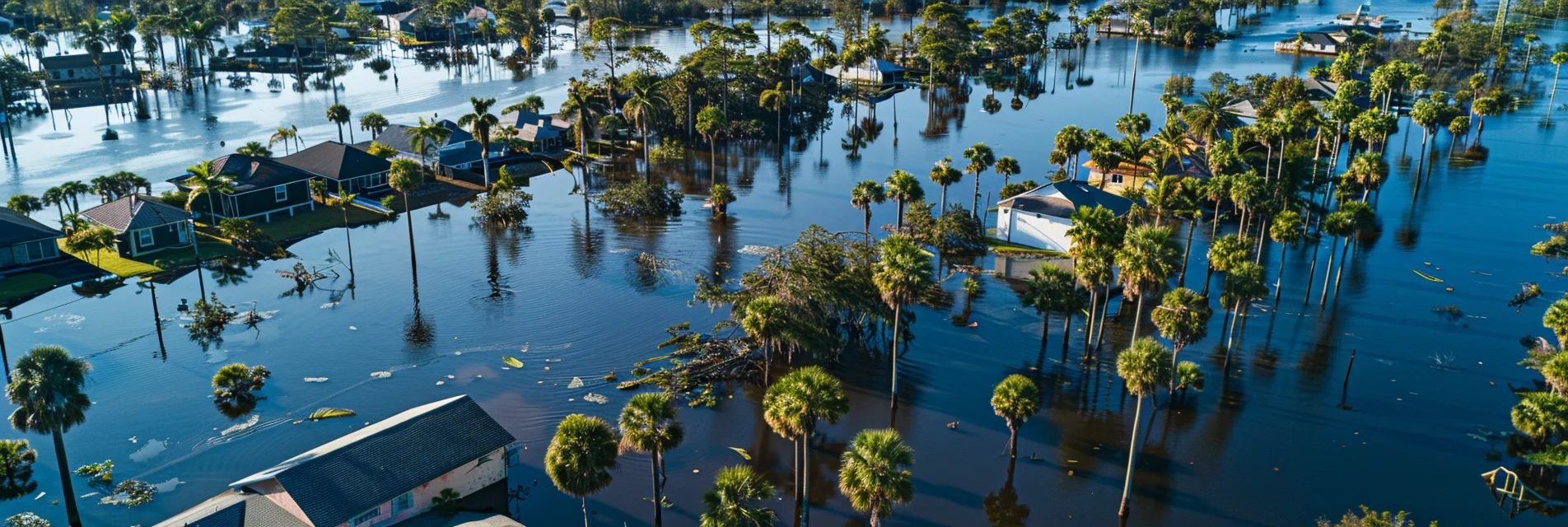
Baltimore County — Towson, Dundalk, Essex, and Catonsville, wrapping around Baltimore City — combines waterfront surge exposure along the Patapsco with the wind and tree damage that hits the metro in every major storm.
Storm damage on Baltimore County roofs
Baltimore County roofs face real storm exposure — and the most expensive damage is often invisible from the ground.
Hurricane Isabel (2003) drove a damaging surge into Dundalk, Essex, and the county's tidewater communities, flooding homes and tearing roofs, and the June 2012 derecho ripped across the Baltimore metro with destructive straight-line winds. Tropical Storm Ida's 2021 remnants brought flooding. The county's large population means heavy post-storm roofing demand.
🌀 Baltimore County storm history
Isabel (2003) drove surge into Dundalk and Essex; the 2012 derecho brought destructive metro winds and Ida (2021) brought flooding.
📋 Baltimore County building & wind code
Maryland enforces the Maryland Building Performance Standards (based on the International Residential Code) statewide, with higher wind-design requirements along the Atlantic coast and lower Eastern Shore. Every reroof must be permitted by the local building authority, and every home-improvement contract must list the contractor's MHIC license number. Building to current wind standards holds up far better in the next storm.
Storm-ready roof types in Baltimore County
The right roof here balances wind rating, impact resistance, and coastal durability.
Architectural shingle
Most common. Class 4 impact-rated shingles resist wind and hail and may earn an insurance credit.
Metal roofing
Excellent wind resistance and longevity — a strong fit for storm-prone coastal and Bay-front Maryland.
Tile & specialty
Durable but heavier; needs a structural review and proper wind detailing after any impact.
2026 roof repair & replacement ranges
Ranges reflect 2026 quotes from licensed MHIC contractors serving Baltimore County.
| Roof work | Typical range | Best for |
|---|---|---|
| Minor storm repair | $400 – $1,500 | A few damaged shingles, small leaks |
| Section / slope replacement | $1,800 – $6,500 | Localized wind or hail damage, one slope |
| Full roof replacement | $8,500 – $28,000+ | Widespread damage, aging roof, full tear-off |
| Free inspection | $0 | Every homeowner after a storm |
In Maryland, your contract must list the MHIC license number and can't require more than a one-third deposit — and a licensed contractor keeps your Guaranty Fund protection intact.
Your roofing product or service here. Reach homeowners actively comparing storm-damage roofing options across 13 coastal states. High-intent audience, zero waste.
Storm roof claims in Baltimore County
After a Maryland storm, the key question is often which policy applies — wind or flood.
Wind and wind-driven-rain roof damage is covered by your homeowner policy, and coastal and Bay-front policies may carry a separate hurricane or wind deductible. Flood damage — which dominated Isabel in Annapolis and Sandy in Crisfield — is NOT covered by a homeowner policy and needs separate flood insurance (NFIP). Document everything with dated photos and get a licensed contractor's written report.
💧 Wind vs. flood in Maryland
Maryland's worst storms — Isabel (2003) and Sandy (2012) — did much of their damage through Chesapeake Bay and coastal flooding, which a homeowner or wind policy does not cover; rising water needs separate flood insurance (NFIP). Wind and wind-driven-rain roof damage is covered. After a storm, document both, and have a licensed roofer separate wind damage from flood damage in writing.
What to do once it's safe
Stay safe & tarp if needed
Don't climb a damaged roof. Cover active leaks from inside and call a pro for emergency tarping. Step-by-step tarp guide →
Document everything with dates
Dated photos of all visible damage — roof, ceilings, walls, attic. Separate wind damage from any flooding.
Get a free licensed inspection
A licensed local Baltimore County contractor finds hidden damage and writes the report your claim needs.
File within your window
Submit promptly with the inspection report, and confirm the repair will be permitted.
How to verify a roofer in Baltimore County
Maryland gives homeowners one of the strongest consumer protections in the country — but only if you use a licensed contractor.
Maryland requires a Home Improvement Commission (MHIC) license for residential roofing, and the MHIC Guaranty Fund can reimburse a homeowner up to $20,000 for actual losses caused by a licensed contractor's poor, incomplete, or abandoned work. That protection applies only if your contractor was licensed — hiring an unlicensed one forfeits it. Verify any roofer's MHIC license through the Maryland Department of Labor before signing, confirm insurance, and make sure the written contract lists the MHIC number.
Verify the MHIC license
Maryland requires an MHIC license for roofing — check the Maryland Department of Labor.
Guaranty Fund protection
A licensed MHIC contractor gives you access to the Guaranty Fund — up to $20,000 for covered losses. Unlicensed forfeits it.
Use a local roofer
Local pros know coastal permits and stay accountable.
Find your Baltimore County city
Choose your city for a local, no-cost storm-damage roof inspection and a roofer near you.
Get your free Baltimore County roof inspection
No cost, no obligation. A licensed local MHIC contractor reaches out within 24–48 hours.
Request received!
A licensed local MHIC contractor will reach out within 24–48 hours to schedule your free Baltimore County inspection.
Recent storm activity in Baltimore County
Baltimore County — Towson, Dundalk, Essex, Catonsville, Pikesville, and the communities surrounding but not including Baltimore City — faces a storm exposure profile that differs materially from Maryland's ocean-facing Eastern Shore. The county's inland position relative to the Chesapeake Bay's main channel means it rarely experiences direct tropical storm landfall conditions, but the Bay's surge amplification mechanism (which severely impacted Annapolis to the south during Isabel), combined with the county's exposure to nor'easters, derechos, and the increasingly intense rainfall events from tropical remnants, creates a pattern of repeated moderate but costly storm damage events.
The remnants of Hurricane Ida (September 2021) produced the most catastrophic single rainfall event in Baltimore County's modern history. As Ida's moisture-laden remnants tracked northeast, they stalled over the Mid-Atlantic region and delivered 4–6 inches of rain in less than two hours in some Baltimore County locations — a 1-in-500-year rainfall intensity event that overwhelmed stormwater infrastructure, flooded basements county-wide, and drove water through roof systems that were designed for rain exposure, not immersion. The Ida remnant flooding in the Baltimore region killed 14 people in their vehicles and produced property damage that ranked among Maryland's costliest weather events on record. For roof systems, the Ida event was primarily a water infiltration event — valley flashings, skylights, and chimney seals that had been performing adequately under normal rain loads failed under the torrential rainfall rates.
The 2012 Derecho — a fast-moving inland windstorm that affected the mid-Atlantic from the Midwest to the coast — delivered 80–90 mph gusts across Baltimore County and caused widespread tree falls on roofs throughout the county. The Derecho's damage was primarily mechanical: trees and limbs driven onto roof structures, rather than wind uplift of intact shingles. Roofs that were damaged by the 2012 Derecho and repaired (not replaced) are now carrying 12-year-old repairs on top of original construction that may itself be 20–30 years old.
What this means for Baltimore County homeowners
- Ida remnant damage (2021) to roof flashings, skylights, and valley seals may not have been fully identified in the initial aftermath — a professional inspection can find the infiltration paths that Ida exposed.
- 2012 Derecho repairs that patched rather than replaced affected sections are now 12 years old and should be re-evaluated.
- All Maryland home improvement contractors must hold a current MHIC license — verify at dllr.state.md.us/license/mhic before signing any agreement.
Baltimore County storm roof claim: what to expect
Baltimore County homeowners deal with Maryland's standard insurance regulatory framework, but the county's specific storm history — dominated by rainfall events and inland wind rather than hurricane surge — creates claim types that differ from coastal markets. Rainfall infiltration claims are among the most frequently disputed, as insurers often attempt to classify them as maintenance failures rather than storm damage.
Maryland claim filing deadlines
Maryland: 3-year statute of limitations on insurance contract claims from date of denial. File initial claims promptly per policy notice requirements.
The Baltimore County claim process
- Storm hits → Document all damage within 24 hours. For rainfall infiltration events specifically: photograph water staining on ceilings and walls, attic moisture, and exterior conditions at flashings, valleys, and skylights — these are the points of failure in Ida-type rainfall events.
- Day 1–3 → File your claim. Specify the storm event by name and date — "Hurricane Ida remnants, September 1, 2021" is a covered storm event, not maintenance failure.
- Insurer response → Expect pushback on rainfall infiltration claims — insurers frequently argue that pre-existing deterioration, not the storm event, caused the water intrusion. A contractor inspection that explicitly ties the failure to the storm's rainfall intensity rebuts this argument.
- MHIC contractor → Verify at dllr.state.md.us/license/mhic. Maryland law requires MHIC license number on the written contract.
- MIA complaint → The Maryland Insurance Administration handles complaints at insurance.maryland.gov — use this avenue if your insurer's response is unreasonable or delayed.
- Payment → ACV first, RCV after completion and documentation.