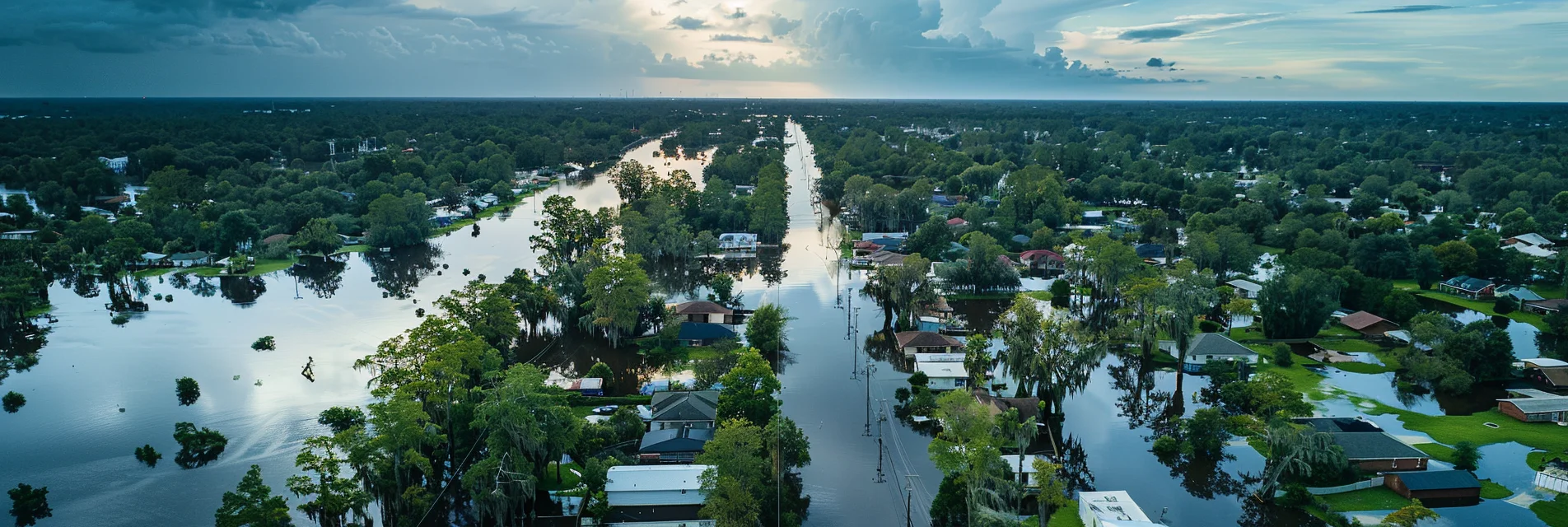
Mobile County — the city of Mobile, Dauphin Island, and the western shore of Mobile Bay — has weathered hurricanes for centuries, from Frederic to Katrina, Ivan, and Sally.
Storm damage on Mobile County roofs
Mobile County roofs face real, repeated storm exposure — and the most expensive damage is often invisible from the ground.
Hurricane Katrina (2005) pushed major surge up Mobile Bay, and Hurricane Frederic (1979) had earlier devastated Dauphin Island and the city. Ivan (2004) and Sally (2020) both brought damaging winds and roof loss across the county. Low-lying Dauphin Island and the bayfront face direct surge, while inland Mobile sees wind and tree damage. With Baldwin, Mobile is a flagship county for Strengthen Alabama Homes FORTIFIED grants.
🌀 Mobile County storm history
Frederic (1979), Katrina (2005, bay surge), Ivan (2004), and Sally (2020) are the defining storms for the county.
📋 Mobile County building & wind code
Alabama's Home Builders Licensure Board sets statewide residential standards, and coastal Mobile and Baldwin Counties build to high wind-design requirements after Ivan and Sally. Reroofs here should meet current wind-attachment standards — and because Alabama leads the nation in FORTIFIED construction, building to the IBHS FORTIFIED Roof standard qualifies for state grants and a mandated insurance discount.
Coastal roof types in Mobile County
The right roof here balances wind rating, salt-air durability, and FORTIFIED eligibility.
Architectural shingle
Most common. Class 4 impact-rated shingles resist wind and hail and support FORTIFIED roof ratings.
Metal roofing
Excellent wind and salt-air resistance — a strong fit for the hurricane-prone Alabama Gulf Coast.
Tile & specialty
Durable but heavier; needs a structural review and proper wind detailing after any impact.
2026 roof repair & replacement ranges
Ranges reflect 2026 quotes from licensed roofers serving Mobile County. Coastal addresses run toward the higher end.
| Roof work | Typical range | Best for |
|---|---|---|
| Minor storm repair | $400 – $1,500 | A few damaged shingles, small leaks |
| Section / slope replacement | $1,800 – $6,500 | Localized wind or hail damage, one slope |
| Full roof replacement | $9,000 – $30,000+ | Widespread damage, aging roof, full tear-off |
Building to the FORTIFIED standard adds some cost, but Alabama's grants and mandated insurance discounts can offset much of it — and it holds up far better in the next storm.
Your roofing product or service here. Reach homeowners actively comparing storm-damage roofing options across 13 coastal states. High-intent audience, zero waste.
Storm roof claims in Mobile County
Alabama gives storm-hit homeowners some of the strongest roofing incentives in the country — use them.
If your roof needs replacing, Alabama's FORTIFIED Roof Endorsement law requires insurers to offer an endorsement to rebuild it to the IBHS FORTIFIED standard — and a FORTIFIED designation can cut the wind portion of your premium by up to about 35%. Document storm damage thoroughly with dated photos; a licensed roofer's written report strengthens your claim, and pairing the claim with a FORTIFIED rebuild maximizes your long-term savings.
💰 Strengthen Alabama Homes grants
Alabama's Strengthen Alabama Homes program offers grants of up to $10,000 to retrofit an existing owner-occupied home to the FORTIFIED Roof standard — available to homeowners in Mobile, Baldwin, and select counties. Grants are first-come, first-served on set dates and run out fast, and a FORTIFIED roof must be installed by a credentialed FORTIFIED contractor — ask before you sign.
Work the numbers before the adjuster does. The coinsurance calculator and the hurricane deductible calculator between them explain most of the gap homeowners find between what a roof costs and what a policy pays.
What to do once it's safe
Stay safe & tarp if needed
Don't climb a damaged roof. Cover active leaks from inside and call a pro for emergency tarping. Step-by-step tarp guide →
Document everything with dates
Dated photos of all visible damage — roof, ceilings, walls, attic. Timestamps help tie damage to a specific storm.
Hire a licensed roofer to inspect
A licensed local Mobile County roofer finds hidden damage and writes the report your claim needs.
File within your window
Submit promptly with the inspection report. Earlier is always stronger.
How to verify a roofer in Mobile County
After Hurricane Sally, Alabama officials specifically warned homeowners about unlicensed storm-chasers. The state's licensing rule makes vetting easy.
Under Alabama law, any contractor doing residential roof work costing more than $2,500 must hold a residential roofer or home builder license from the Alabama Home Builders Licensure Board (HBLB) and carry a $10,000 surety bond. Verify any contractor's HBLB license before signing, confirm liability insurance, and never let an emergency tarp service pressure you into a full repair contract. Get the scope and price in writing first.
Verify the HBLB license
Alabama requires a license for any residential roof job over $2,500 — check the Home Builders Licensure Board.
Confirm bond & insurance
Licensed roofers carry a $10,000 bond plus liability insurance.
Use a local roofer
Local pros stay accountable — and FORTIFIED grants require a credentialed local installer.
Find your Mobile County city
Choose your city for a local, no-cost storm-damage roof inspection and a roofer near you.
How to hire a licensed Mobile County roofer
StormRoofQuotes is an independent, ad-supported information resource. We don't arrange inspections or refer you to any contractor — the guides below explain how to document damage and hire a licensed local roofer yourself.
StormRoofQuotes is an independent, ad-supported information resource. We publish storm-recovery guides and clearly-labeled roofing advertisements. We do not arrange inspections, take commissions, or refer you to any contractor.
How this site works →Recent storm activity in Mobile County
Mobile County — Alabama's only coastal county, encompassing Mobile, Prichard, Saraland, Chickasaw, and the communities of the Eastern Shore and the Mobile Bay watershed — experienced its most damaging modern storm event when Hurricane Sally made landfall near Gulf Shores on September 16, 2020 as a Category 2 storm. Sally was a slow-moving system that delivered over 30 inches of rain in some Mobile County locations over three days, producing catastrophic flooding of the Mobile River basin and Tensaw River delta communities while also generating sustained Category 2 winds across the county. The combination of prolonged wind and saturation caused roof damage across the county that was unusually severe for a Category 2 storm — many roofs that might have survived a faster-moving Cat 2 failed under Sally's extended loading.
Hurricane Ivan (2004) made landfall further east near Gulf Shores and was the most powerful storm to directly affect Mobile County in the modern era, with Category 3 winds generating widespread roof damage across the county. Ivan produced a rebuilding wave that left Mobile County with a significant cohort of roofs now 20+ years old — approaching the end of their practical design life under Alabama's Gulf Coast conditions. Hurricane Ida's (2021) remnants tracked across Alabama and produced additional wind and rain loading on this aging housing stock, compounding accumulated damage.
Alabama's regulatory environment for roofing is simpler than Florida's or Louisiana's — the state enforces the International Building Code but does not have HVHZ-equivalent designations — but Mobile County's position at the head of Mobile Bay creates specific storm surge vulnerability for bay-front and riverside communities that requires the same careful flood/wind documentation discipline as other Gulf Coast markets.
What this means for Mobile County homeowners
- Ivan-era roofs (2004–2006) are now 19–21 years old and have absorbed Sally, Ida remnants, and multiple other events since installation — inspection is overdue.
- Sally's saturation damage (2020) frequently manifests as progressive deck deterioration rather than obvious surface damage — persistent small leaks since 2020 indicate Sally-related underlying damage.
- Alabama requires general contractor licensing for roofing work — verify at genconbd.alabama.gov before signing any contract.
Mobile County storm roof claim: what to expect
Alabama's insurance market is less disrupted than Florida's or Louisiana's post-storm markets, but Mobile County's specific combination of hurricane risk and flood exposure from Mobile Bay means homeowners should carry and understand both wind and flood coverage.
Alabama claim filing deadlines
Alabama gives homeowners a 6-year statute of limitations on contract claims, but your insurance policy's internal deadlines (typically "prompt notice" and a specified proof-of-loss deadline) control the practical claim timeline. File immediately after any storm event — delayed filing gives insurers grounds to challenge claims on prejudice grounds.
The Mobile County claim process
- Storm hits → Document all damage with dated photos within 24 hours. For Mobile Bay waterfront properties, document wind and water damage separately.
- Day 1–3 → File your claim and confirm receipt in writing. If you have NFIP flood coverage, file that separately and simultaneously.
- Day 1–30 → Alabama requires insurers to acknowledge claims and begin investigation promptly. Get an independent contractor inspection in this window.
- Contractor licensing → Alabama requires a general contractor license for roofing work — verify at genconbd.alabama.gov. Sally brought many unlicensed contractors into Mobile County.
- Payment → Alabama's bad faith statute requires timely payment — delays beyond a reasonable period trigger potential bad-faith damages.